Booking


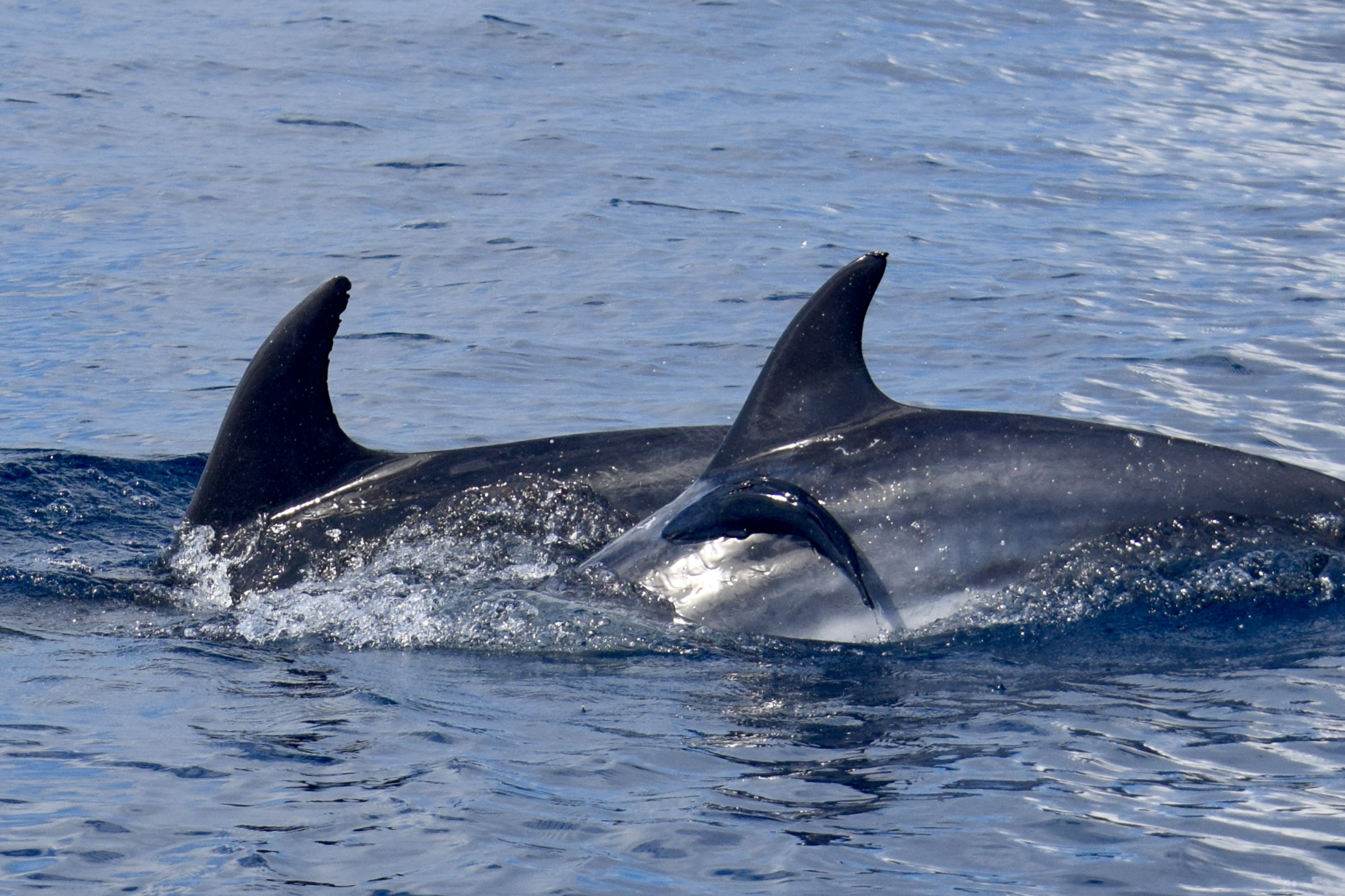
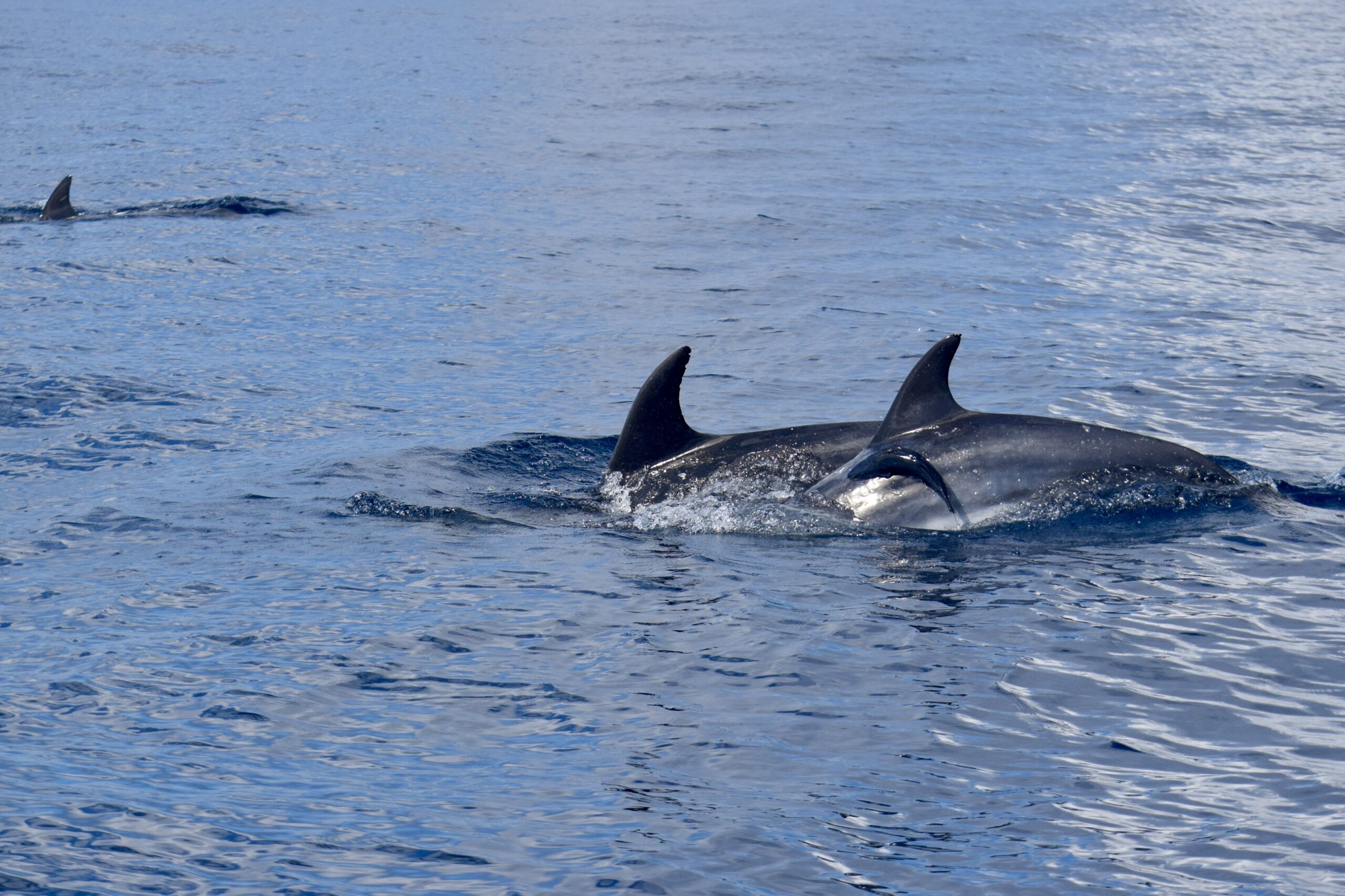
In the waters of southern Tenerife, where species such as pilot whales and bottlenose dolphins live year-round, there is a small detail that often goes unnoticed during whale watching tours: tiny fish attached to the bodies of cetaceans. These are remoras, a fascinating species that has developed a very particular relationship with large marine animals.
Remoras are fish known for a unique adaptation: a suction disc located on the top of their heads that allows them to attach themselves to sharks, turtles and cetaceans. This ability helps them travel long distances with minimal effort, simply by moving together with their host. During whale watching excursions in Tenerife, it is not unusual to spot remoras attached to whales or dolphins, especially in biodiverse marine areas such as the waters of Teno-Rasca.
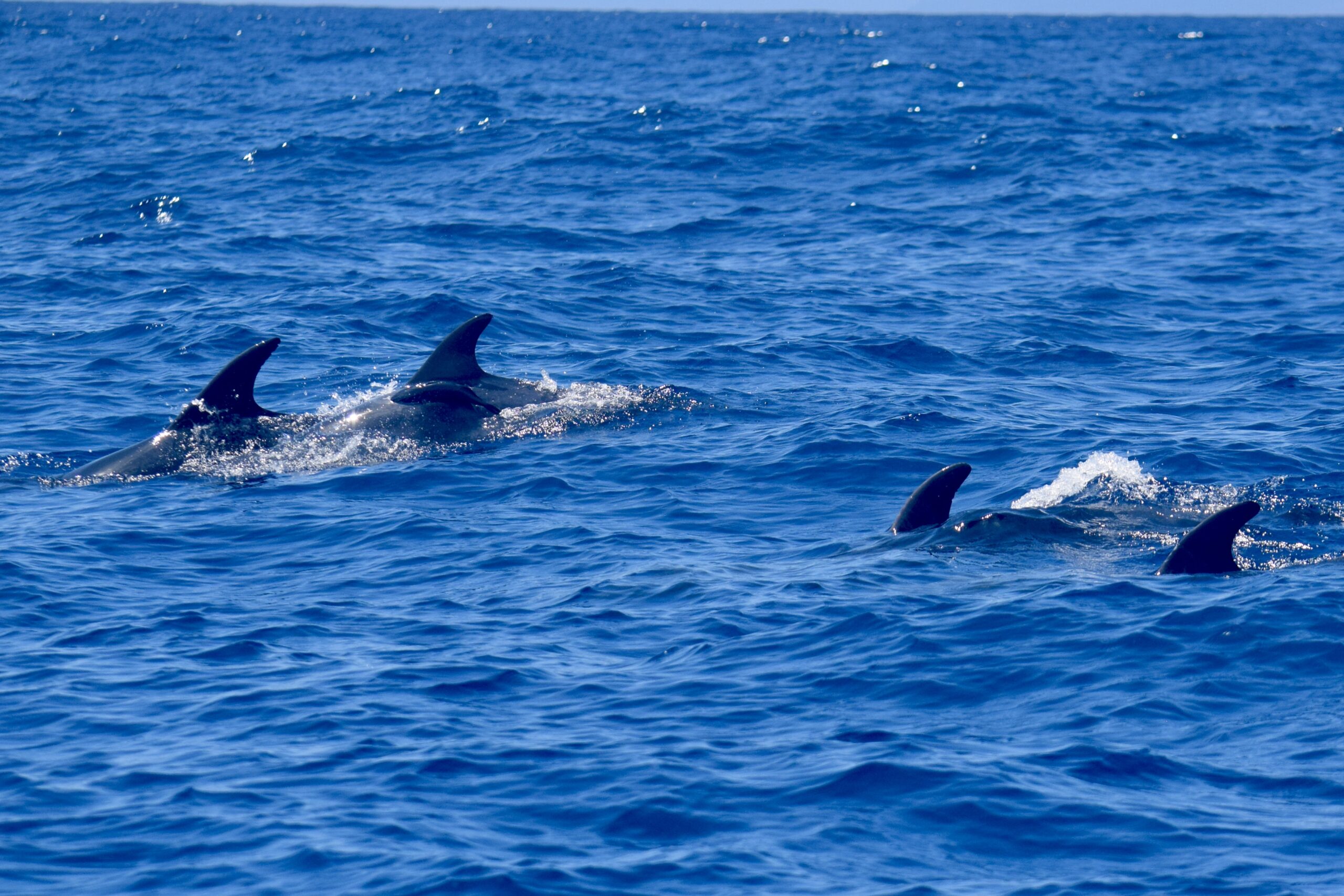
But why do remoras attach themselves to cetaceans? The answer is closely linked to survival. By staying attached to larger animals, remoras gain several advantages: transportation, protection from predators and access to food. They feed on leftovers from the host’s meals as well as parasites found on their skin. This interaction is generally considered a commensal relationship, meaning the remora benefits while the cetacean is not significantly affected.
Spotting a remora during a whale watching tour can be difficult at first glance, but during calm sea conditions or when dolphins and whales swim close to the boat, it is sometimes possible to notice their elongated silhouette attached to the animal’s body. Observations like these reveal just how complex and interconnected the marine ecosystem really is.
At Whale Watch Tenerife, every trip out to sea is an opportunity to discover these small details that make marine life even more fascinating. Remoras may be discreet, but they are part of the natural balance that makes the waters around Tenerife such a unique place for responsible whale watching in the wild.
Book your experience with us at whalewatchtenerife.org