Booking



If you’re wondering where to see whales and dolphins in Tenerife, you’re about to discover one of the Canary Islands’ greatest natural treasures. Tenerife is one of the few places in the world where it’s possible to observe cetaceans year-round thanks to its privileged climate and the presence of resident species that permanently inhabit its waters.
Every year, thousands of travelers visit the island to enjoy responsible whale and dolphin watching. However, choosing the right location and a company committed to marine conservation will make all the difference between a simple excursion and a truly unforgettable experience.
Why is Tenerife one of the best destinations in the world for whale watching?
The southwest coast of Tenerife, especially between Costa Adeje, Puerto Colón, and Los Gigantes, offers unique conditions for whale watching. The shallow waters close to the shore, stable temperatures, and abundant food make this area a true marine sanctuary.
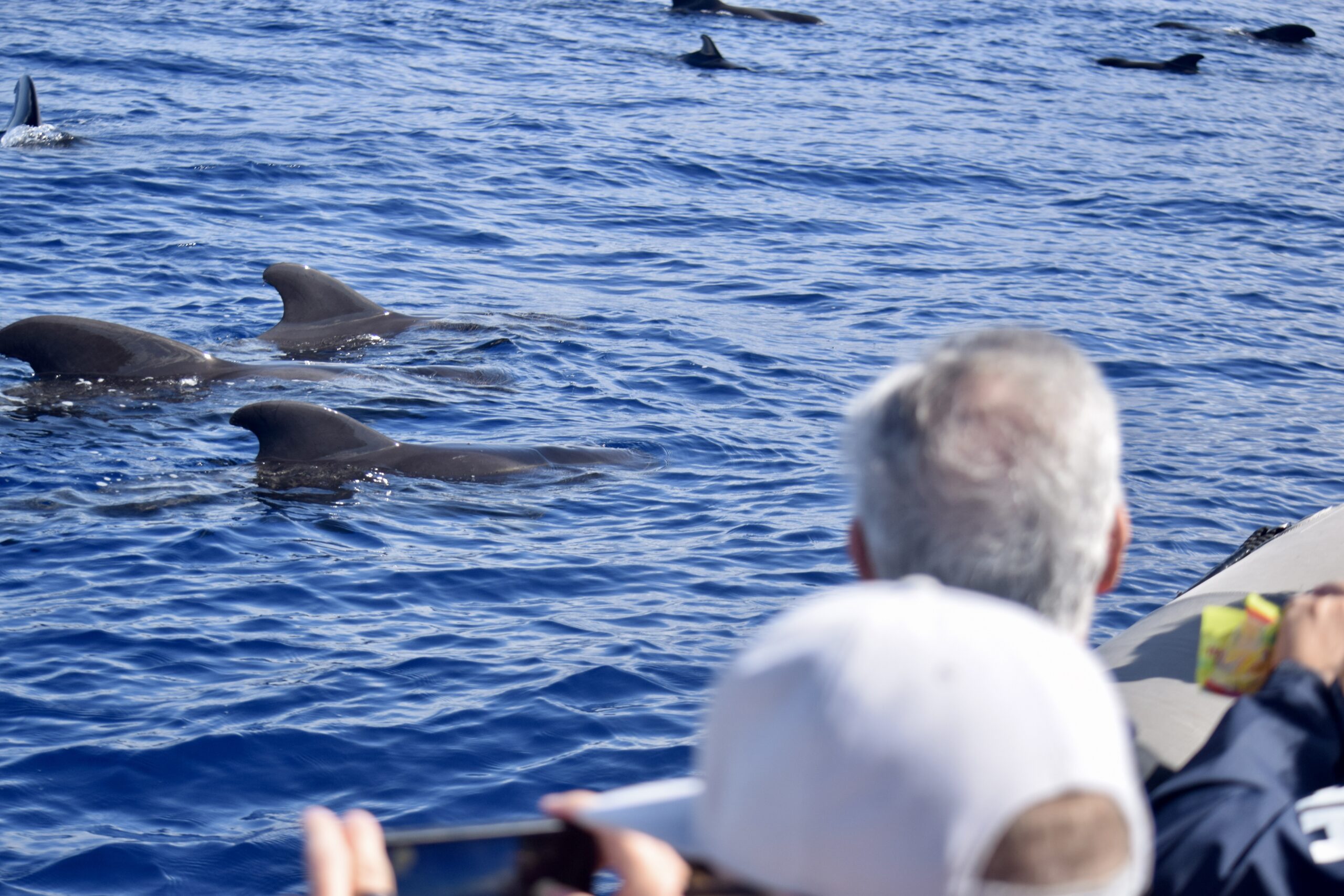
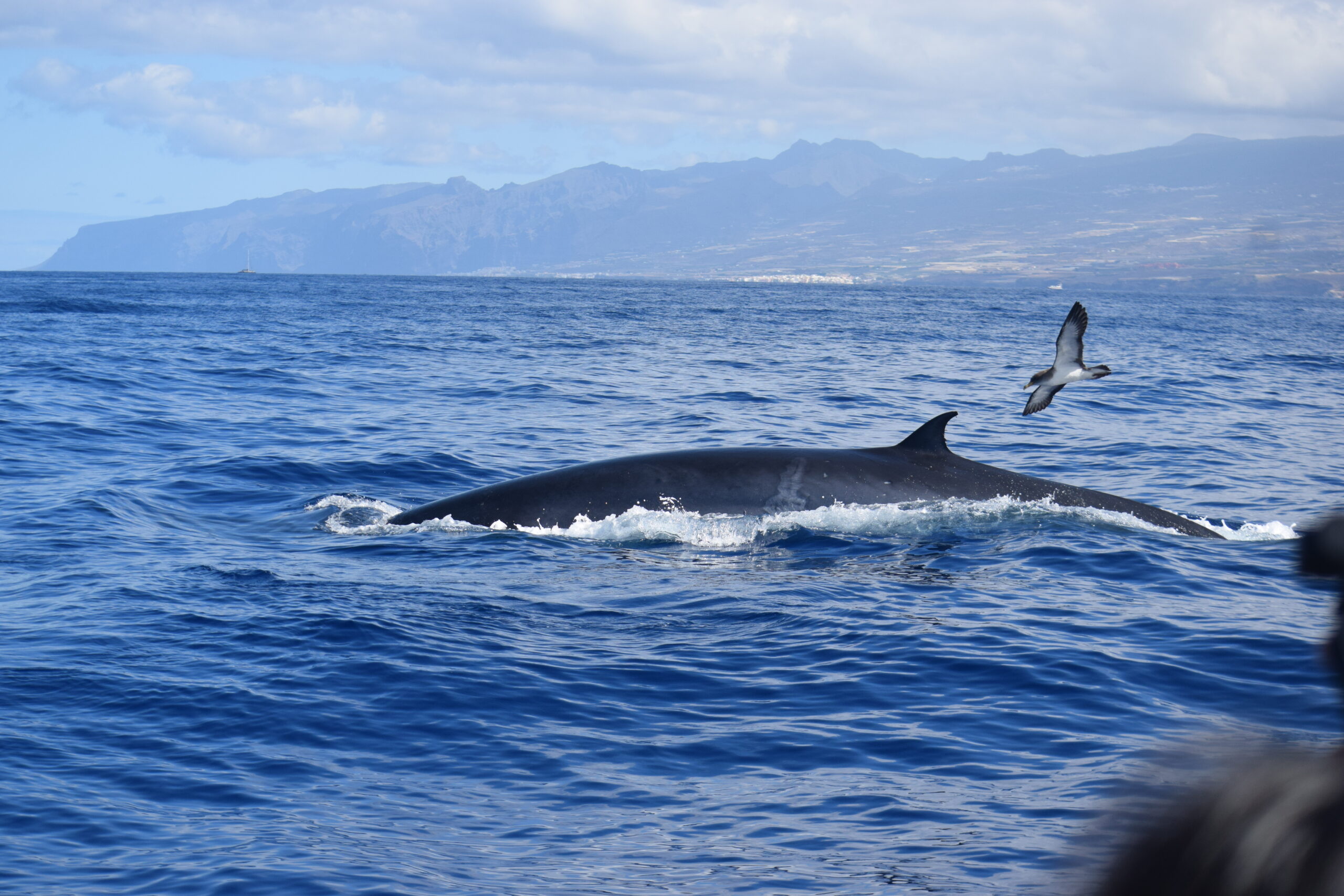
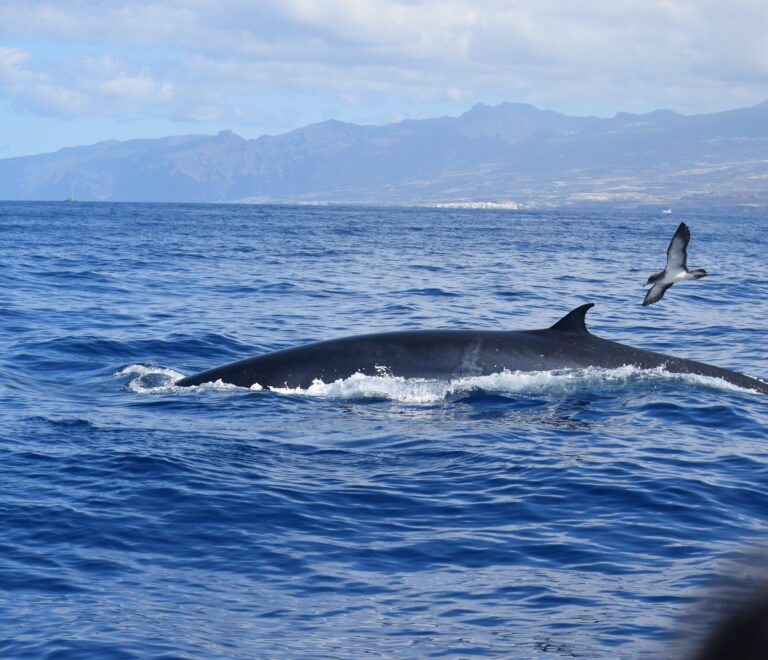
One of the biggest attractions is the permanent presence of short-finned pilot whales (also known as short-finned pilot whales), a resident species that can be seen practically any day of the year. Bottlenose dolphins, Atlantic spotted dolphins, sea turtles, and even, depending on the season, migratory species such as fin whales or blue whales are also commonly seen.
Where to see whales and dolphins in Tenerife
The answer is clear: the best place for whale and dolphin watching is the island’s south coast, departing from Puerto Colón, in Costa Adeje.
This location allows quick access to the areas where the cetaceans live without the need for long voyages. This way, passengers spend more time observing the animals in their natural environment and less time traveling.
Furthermore, sea conditions are usually calmer than in other areas of the island, making the experience comfortable for both adults and families.
The Importance of Choosing a Responsible Company
Not all whale and dolphin watching tours are created equal.
When looking for where to see whales and dolphins in Tenerife, it is essential to choose a company that operates according to sustainable tourism principles and has all the necessary official permits.
Specialized companies strictly comply with the regulations established by the Government of the Canary Islands and the Ministry of the Environment to minimize any impact on cetaceans.
In addition, many actively collaborate with scientific research and conservation projects, contributing photographs, sighting records, and recordings that help us better understand the resident populations of whales and dolphins.
An Experience Guided by Marine Biologists
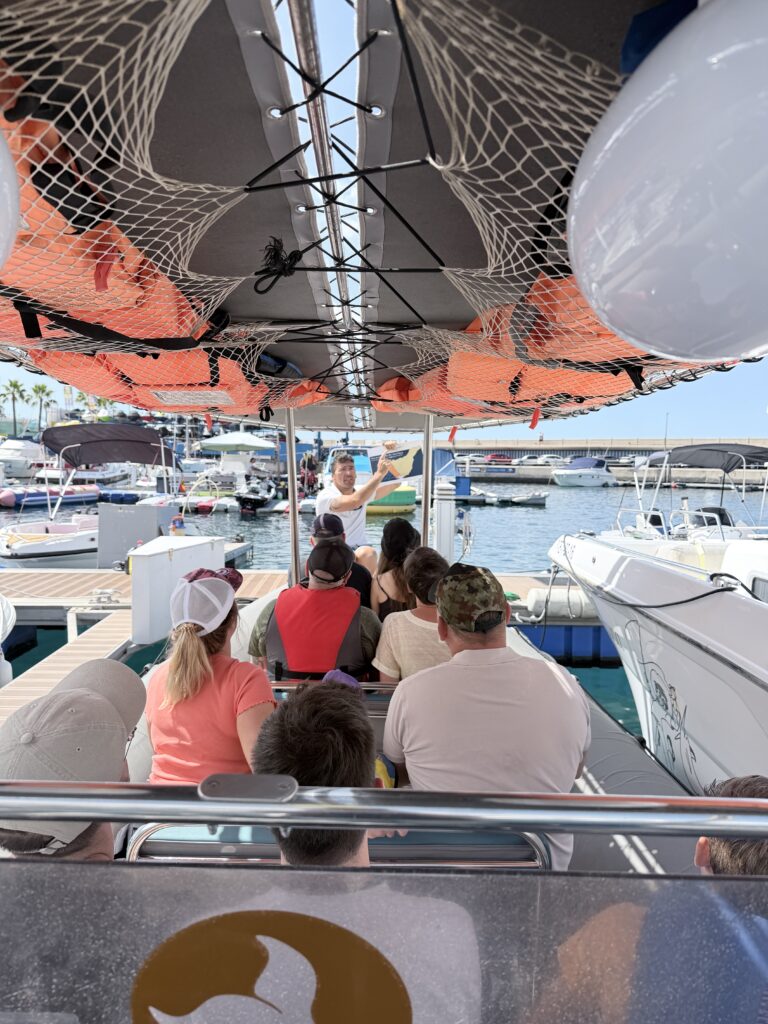
One of the aspects most valued by those who participate in these excursions is the opportunity to learn throughout the entire trip.
Tours led by marine biologists allow participants to learn about the behavior of each species, their communication methods, their diet, and the threats they currently face.
This educational approach transforms a simple boat trip into a genuine nature interpretation experience.
It is even possible to listen to the vocalizations of cetaceans through a hydrophone installed on board, an unforgettable experience for any sea lover.
What species can you observe?
Although many people simply seek to see whales or dolphins, the marine biodiversity of southern Tenerife is extraordinary. During an excursion, it is common to find:- Short-finned pilot whales.
- Bottlenose dolphins.
- Atlantic spotted dolphins.
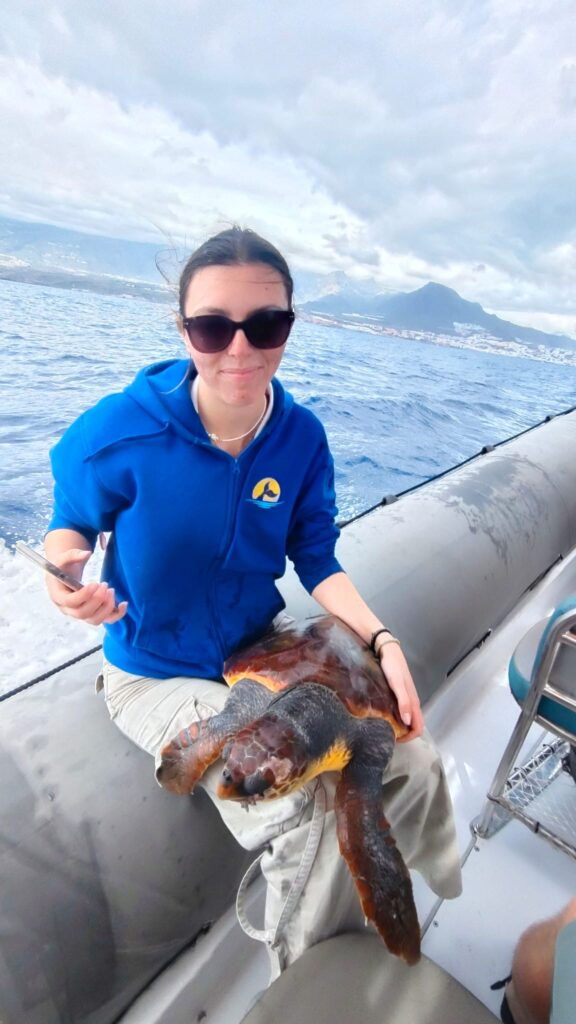
- Sea turtles.
- Oceanbirds.
- Fin whales.
When is the best time to see whales and dolphins in Tenerife?
One of Tenerife’s great advantages over other whale-watching destinations is that there isn’t just one season.
Thanks to the resident population of short-finned pilot whales and bottlenose dolphins, the chances of sightings are very high year-round.
This makes Tenerife one of the few places in Europe where whale and dolphin watching can be enjoyed practically any day, weather permitting.
Some specialized companies achieve sighting probabilities of nearly 99.9%, even offering guarantees to their clients in case no whales or dolphins are spotted during the excursion.
What are the excursions like?
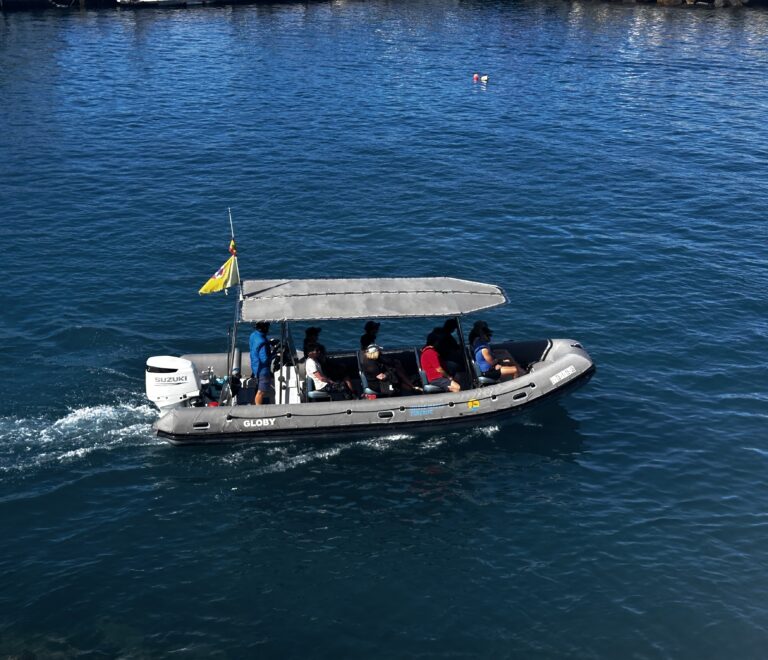
The best experiences are usually on small boats with small groups. This format offers numerous advantages:- Greater comfort.
- Better visibility for all passengers.
- Reduced environmental impact.
- Personalized attention.
- Easier to hear the guide’s explanations.
Tips for Enjoying Whale Watching
If you want to make the most of your experience, keep these simple recommendations in mind:
- Wear sunscreen.
- Wear comfortable clothing.
- Don’t forget sunglasses.
- Bring water to stay hydrated.
- Have your camera ready, although many companies include professional photos for free.
The most important thing is to maintain a respectful attitude towards nature and always follow the instructions of the onboard team.
Much More Than a Tourist Excursion
Observing cetaceans in their natural habitat offers a completely different experience than visiting an aquarium or marine park.
Each encounter is spontaneous and entirely natural. The animals are never forced to interact with the boats; instead, they decide whether to approach or continue on their way.
This approach makes responsible whale watching a valuable tool for promoting ocean conservation and raising awareness among visitors about the importance of protecting these species.
Furthermore, they collaborate directly with scientific programs that use the information gathered during the excursions to improve our understanding of the cetacean populations living around Tenerife, and with the Tahonilla Wildlife Recovery Center.
Conclusion: Where to see whales and dolphins in Tenerife
If you’re looking for where to see whales and dolphins in Tenerife, the best option is to take a tour from Puerto Colón, in Costa Adeje, with a company specializing in responsible whale and dolphin watching.
The combination of a prime location, year-round resident species, small groups, expert biologist guides, and a strong commitment to conservation makes this experience a must-do activity during any trip to Tenerife.
Beyond the photos or the spectacle of seeing whales and dolphins in their natural habitat, participating in a responsible tour allows you to understand the extraordinary richness of the Canary Islands’ marine ecosystem and contribute to its protection for future generations.