Booking

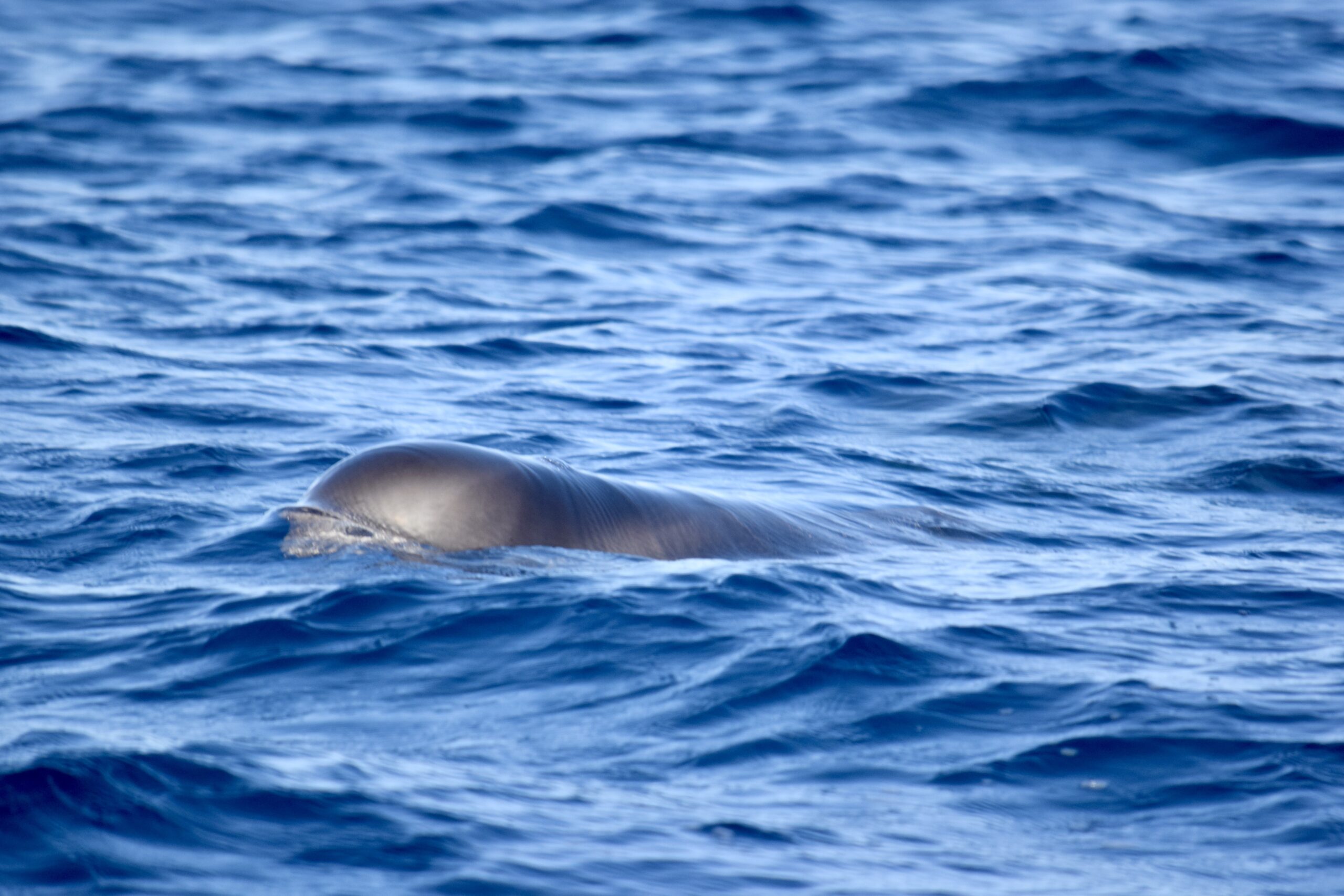
Since humans first began to navigate the seas, cetaceans have held a special place in our collective imagination. Their immense size, remarkable intelligence, and the almost silent way they appear and disappear among the waves made them central figures in myths, legends, and beliefs across coastal cultures around the world. Long before science explained their behaviour, whales and dolphins were already regarded as messengers, protectors, and even sacred creatures.
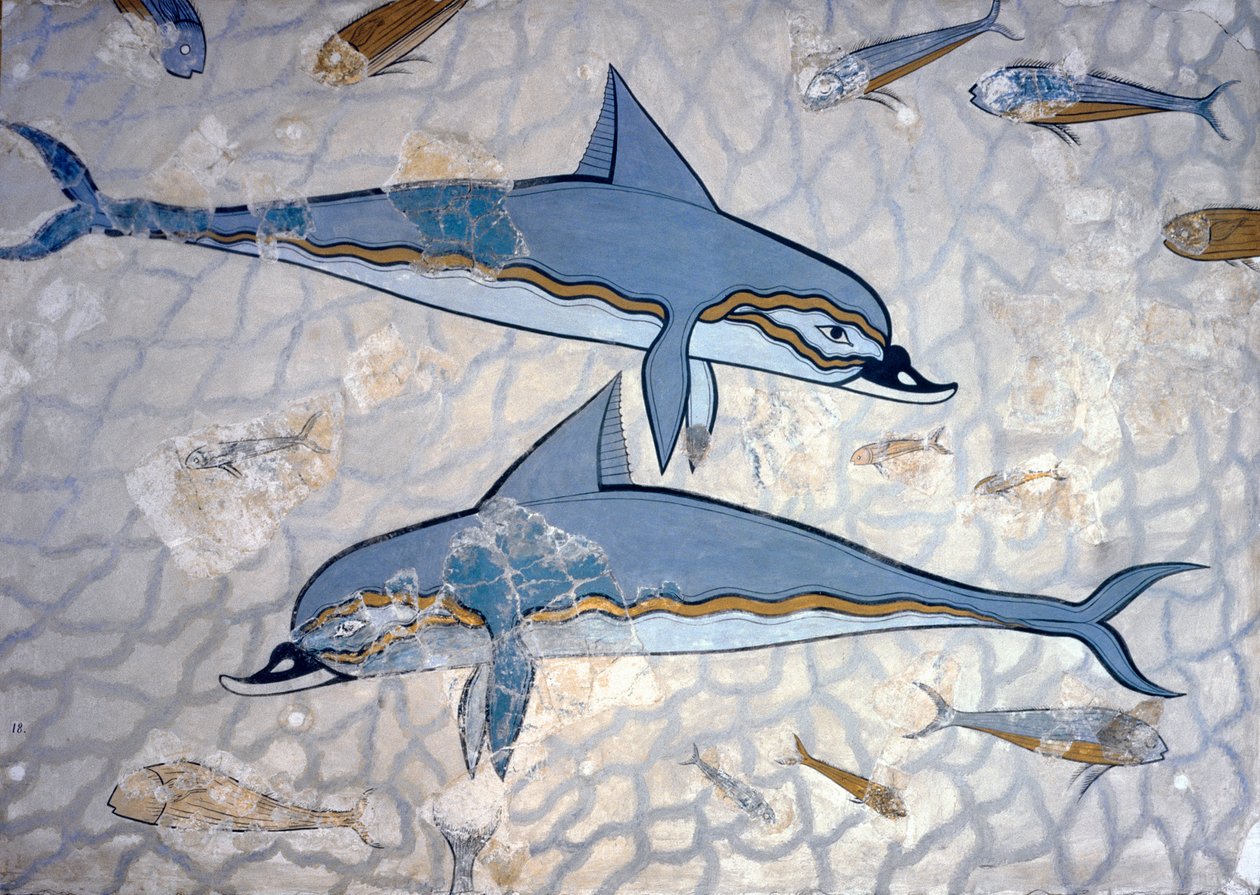
In Greek mythology, dolphins symbolised protection and good fortune. According to legend, the god Apollo took the form of a dolphin to guide a group of sailors to the place where one of his most important temples would later be founded. The god of the sea, Poseidon, was also closely associated with these animals, which were believed to be loyal companions capable of rescuing shipwrecked sailors and guiding them safely back to shore.
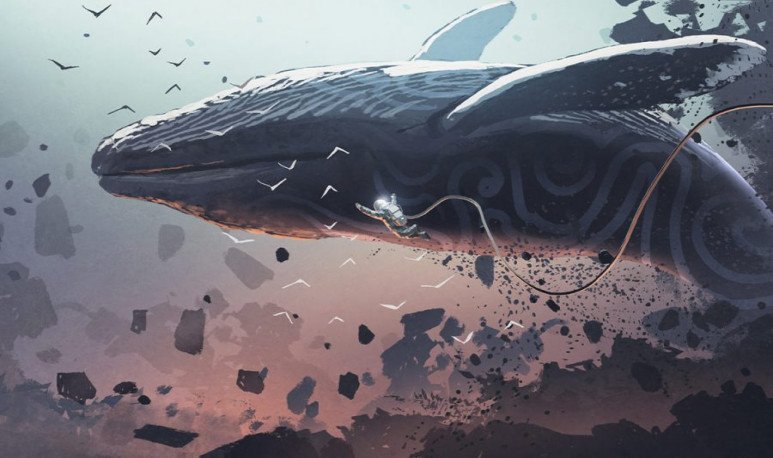
Whales also left a profound mark on many traditions around the world. In several Pacific and Arctic cultures, they were regarded as guardians of the ocean, while some Indigenous peoples believed they represented a bridge between the human and spiritual worlds. Their long lifespans, complex social bonds, and extraordinary migrations reinforced the belief that they possessed ancient wisdom.
Although the Canary Islands do not have a specific mythology dedicated to cetaceans, there is a deep connection between the sea and the beliefs of the ancient Guanches. The ocean was an essential part of their daily lives, and many of their sacred places were closely linked to both the volcanic landscape and the coastline. Mount Teide was considered a sacred mountain, and the legends of Guayota—the powerful spirit believed to dwell within it—reflect the central role that nature played in the Guanche worldview.
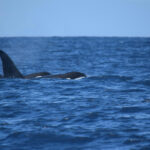
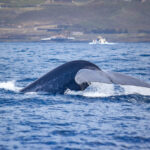
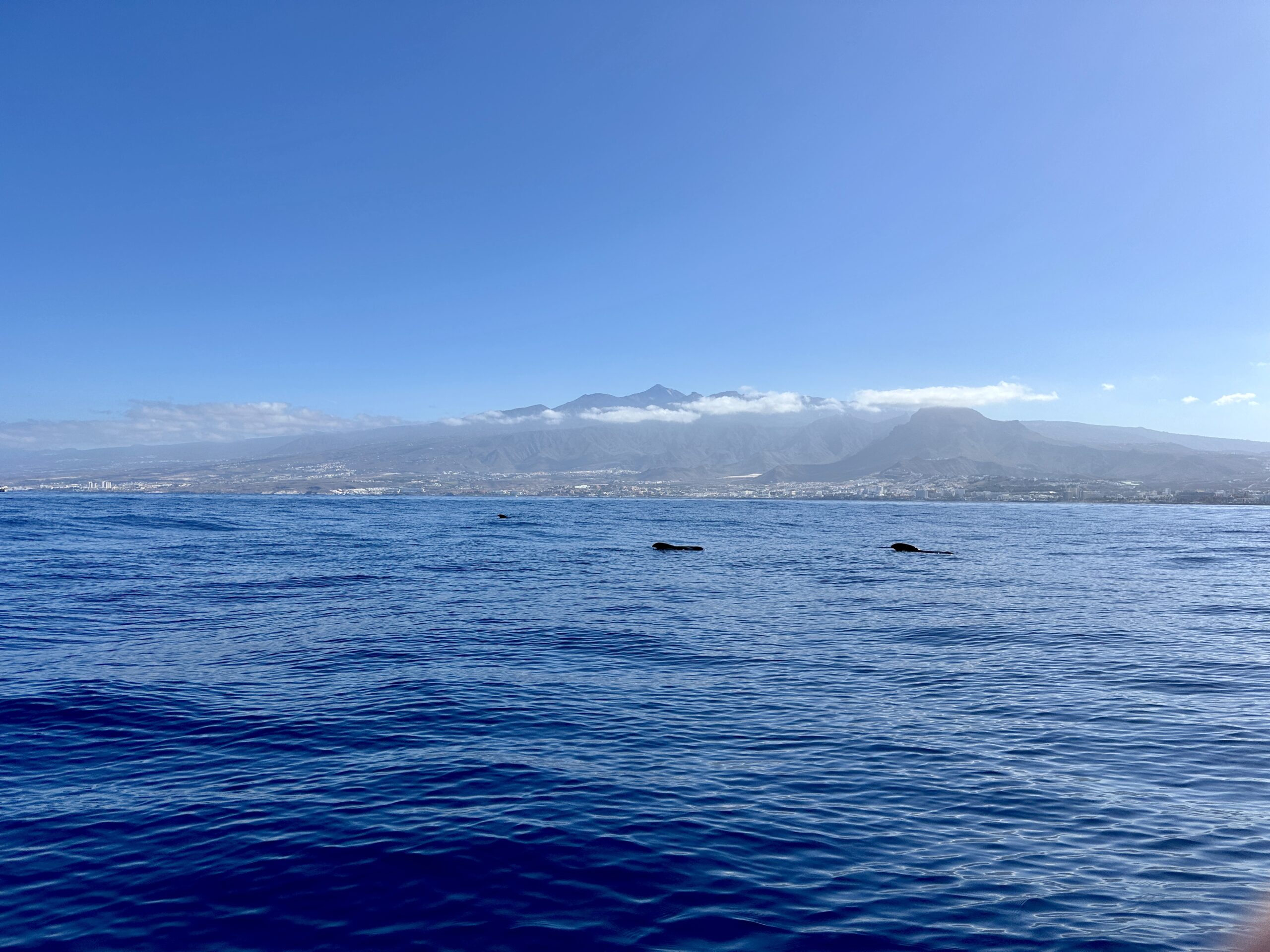
Today, the waters off southern Tenerife are home to one of the world’s largest and best-studied resident populations of short-finned pilot whales, as well as several other species of dolphins and whales that visit the Canary Islands during their migrations.
This unique environment makes Tenerife one of the best places in Europe to observe cetaceans in the wild all year round.
Perhaps that is why it is so easy to understand why our ancestors attributed extraordinary powers to these animals. Even so, one thing has remained unchanged: the thrill of seeing a dorsal fin appear on the horizon. Even in the age of modern science, cetaceans continue to remind us that the ocean still holds a sense of mystery—the same mystery that gave rise to so many legends.
Yet one thing has remained unchanged: the excitement of seeing a fin appear on the horizon. Even in the age of modern science, cetaceans continue to remind us that the ocean still holds a sense of mystery—the very mystery that gave rise to so many legends.
You don’t have to travel back in time to experience the magic that inspired these ancient stories. Simply head out to sea and observe cetaceans in their natural habitat.
You can book your experience with us directly through our website at whalewatchtenerife.orgwhalewatchtenerife.org and discover it for yourself.