Booking

We’re starting the year by talking about something that always moves us every time we head out to sea: the deep connection between cetaceans and their families.
Science has confirmed it, dolphins and pilot whales don’t just live in groups. They feel, cooperate and care for one another in ways that seem astonishingly familiar to us.
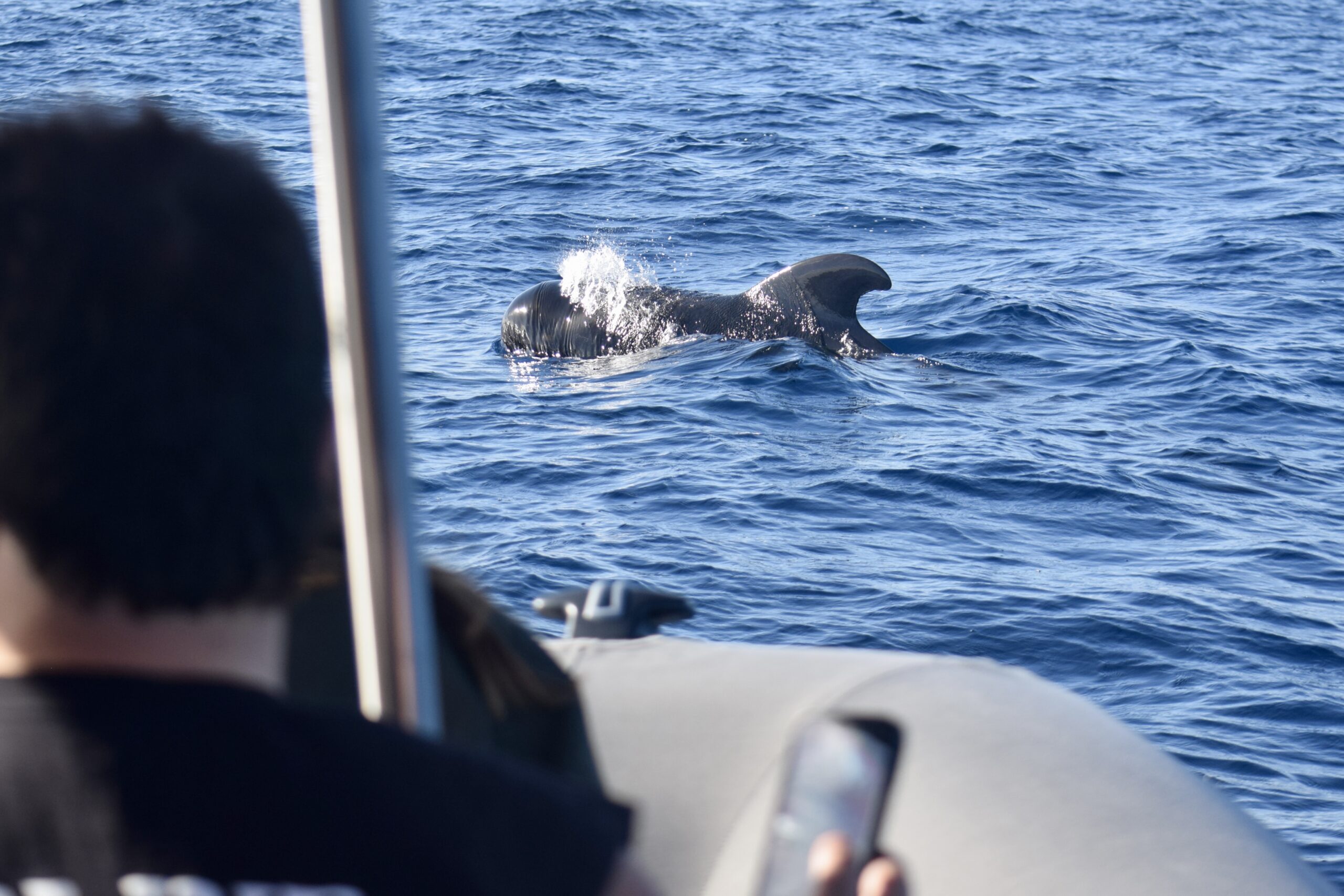
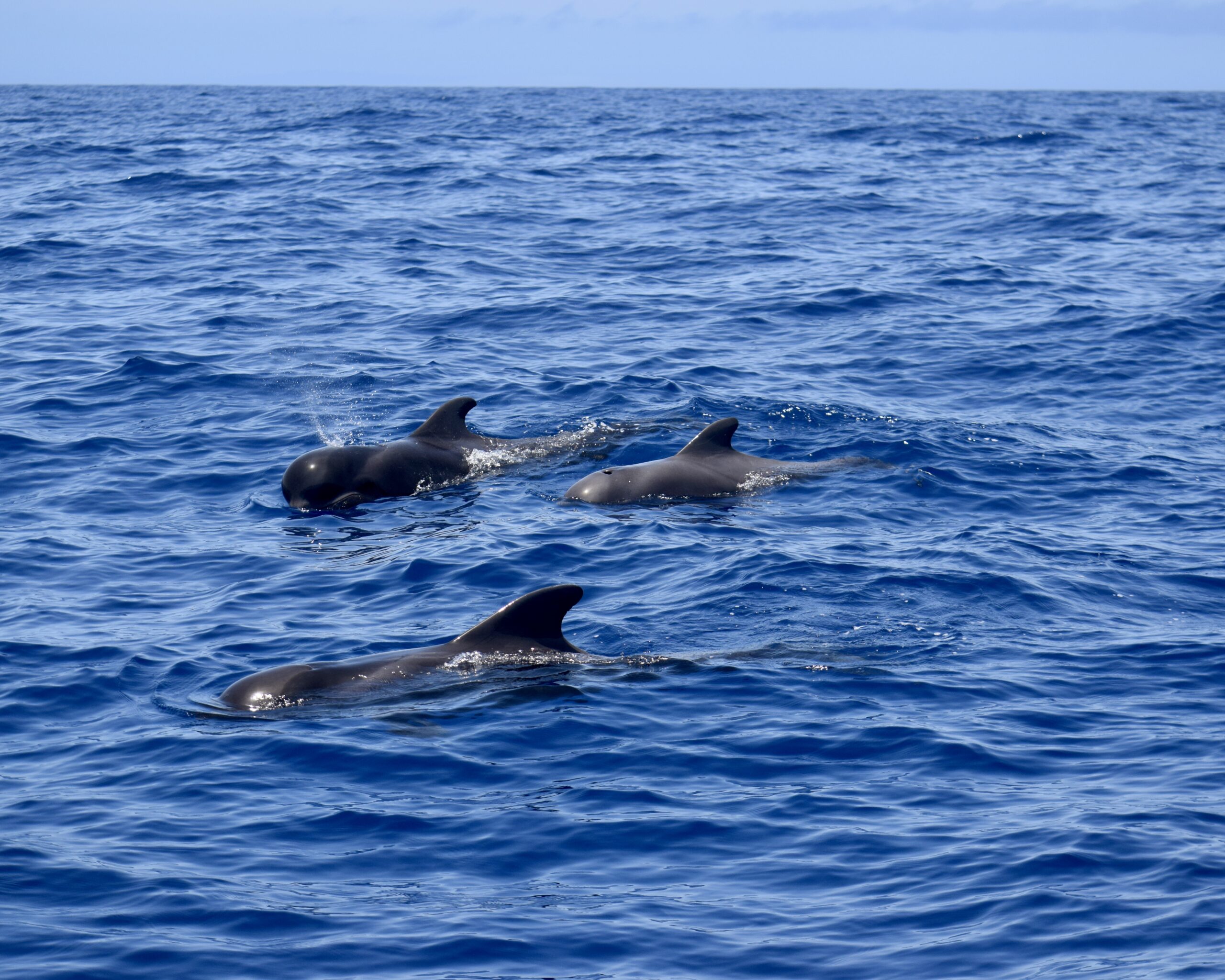
In the case of pilot whales, which live permanently in the waters of Tenerife, mothers and calves stay together for years. Adult females form lifelong support networks, sharing the responsibility of raising young, while males, once they reach sexual maturity, begin to travel across Macaronesia (group of Atlantic archipelagos that includes the Canary islands, Madeira, the Azores and Cape Verde) in search of receptive females, yet they often maintain strong bonds with their original family group even after becoming independent.
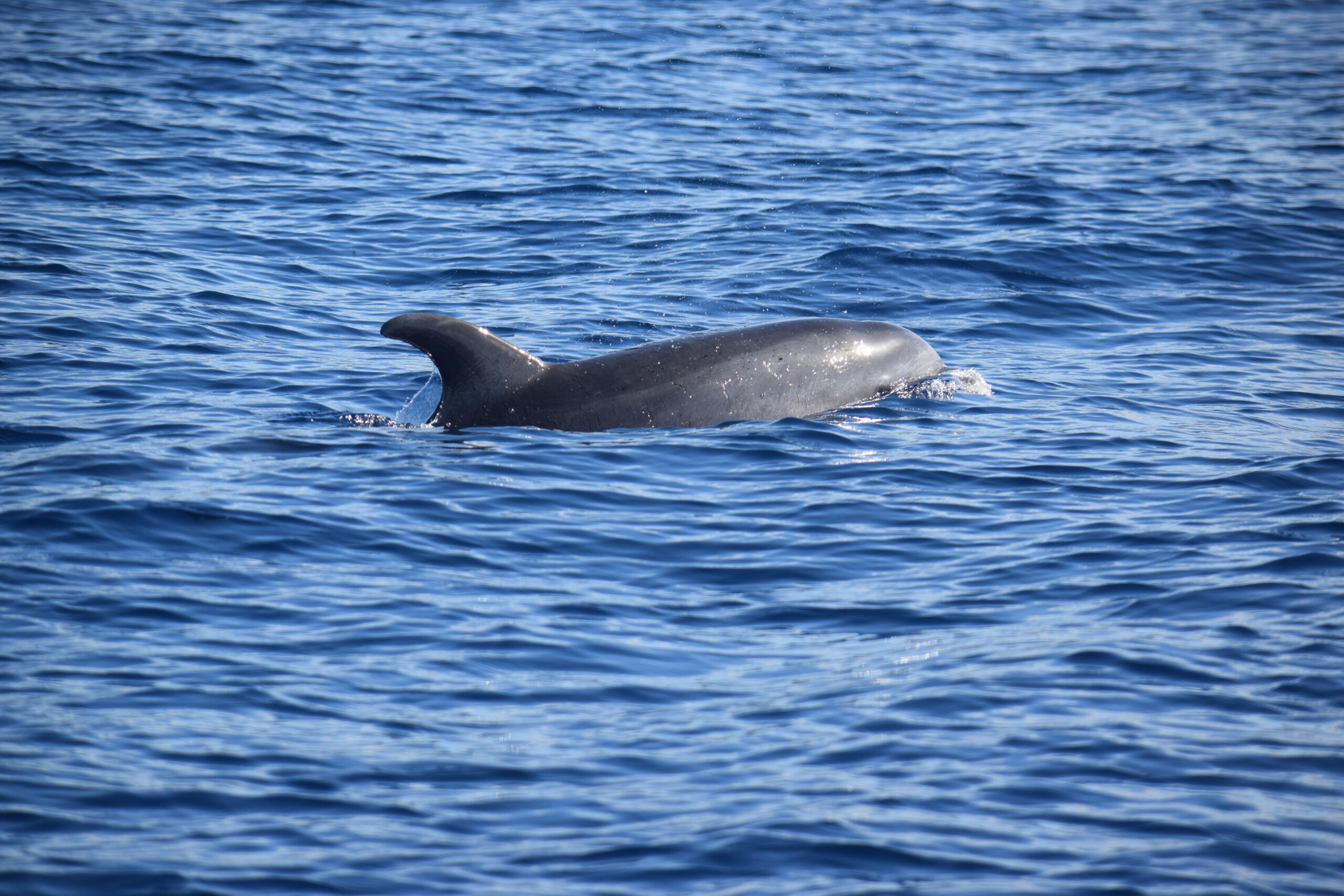
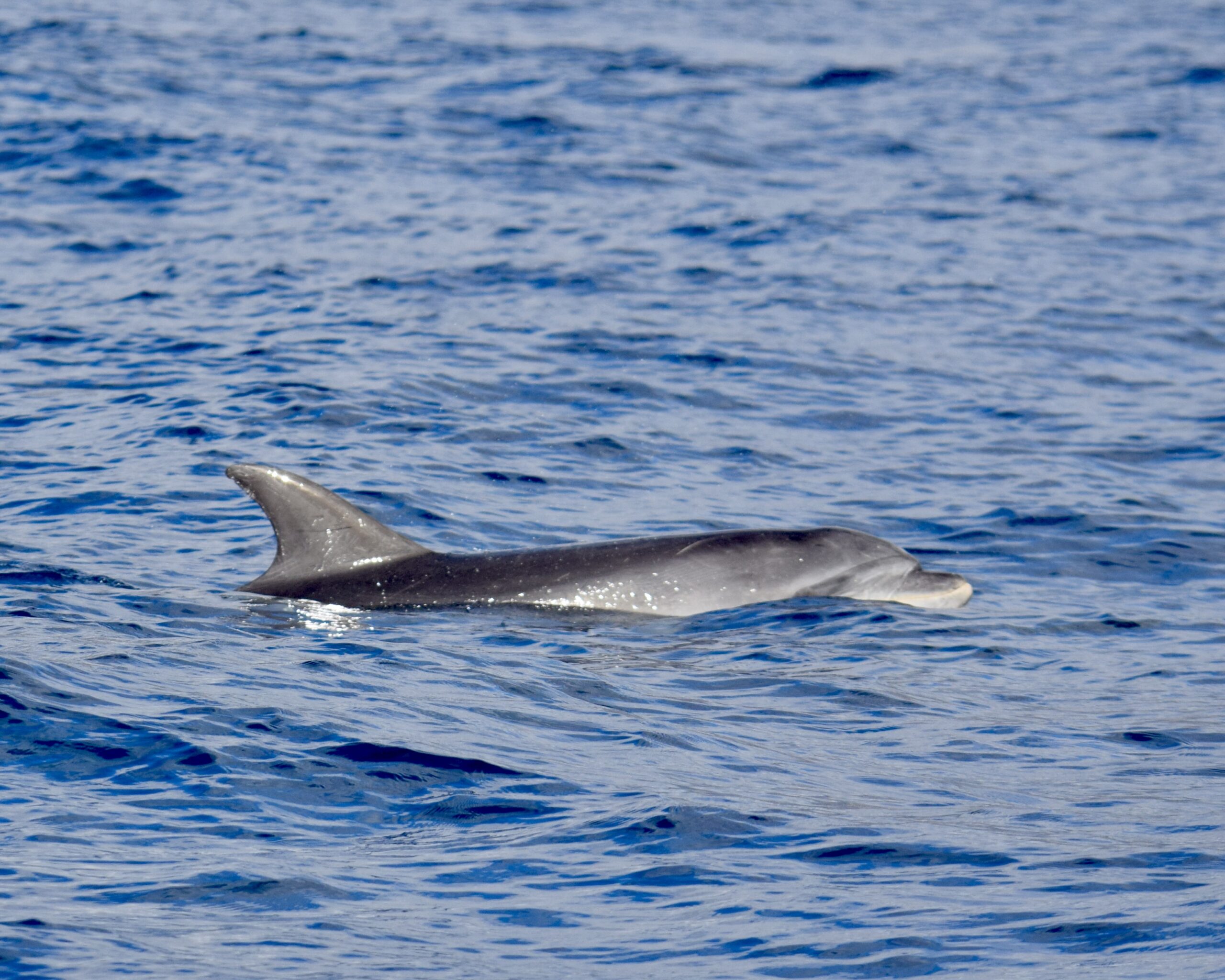
Bottlenose dolphins, also resident in these waters, are known for their intelligence and the complexity of their social lives. They communicate through a wide range of sounds, cooperate to hunt and display behaviours associated with empathy: helping injured individuals, protecting calves within the group and even approaching other marine animals with curiosity or apparent care.
Watching them in freedom, without rush and without interference, is a reminder of how nature organises life in community.
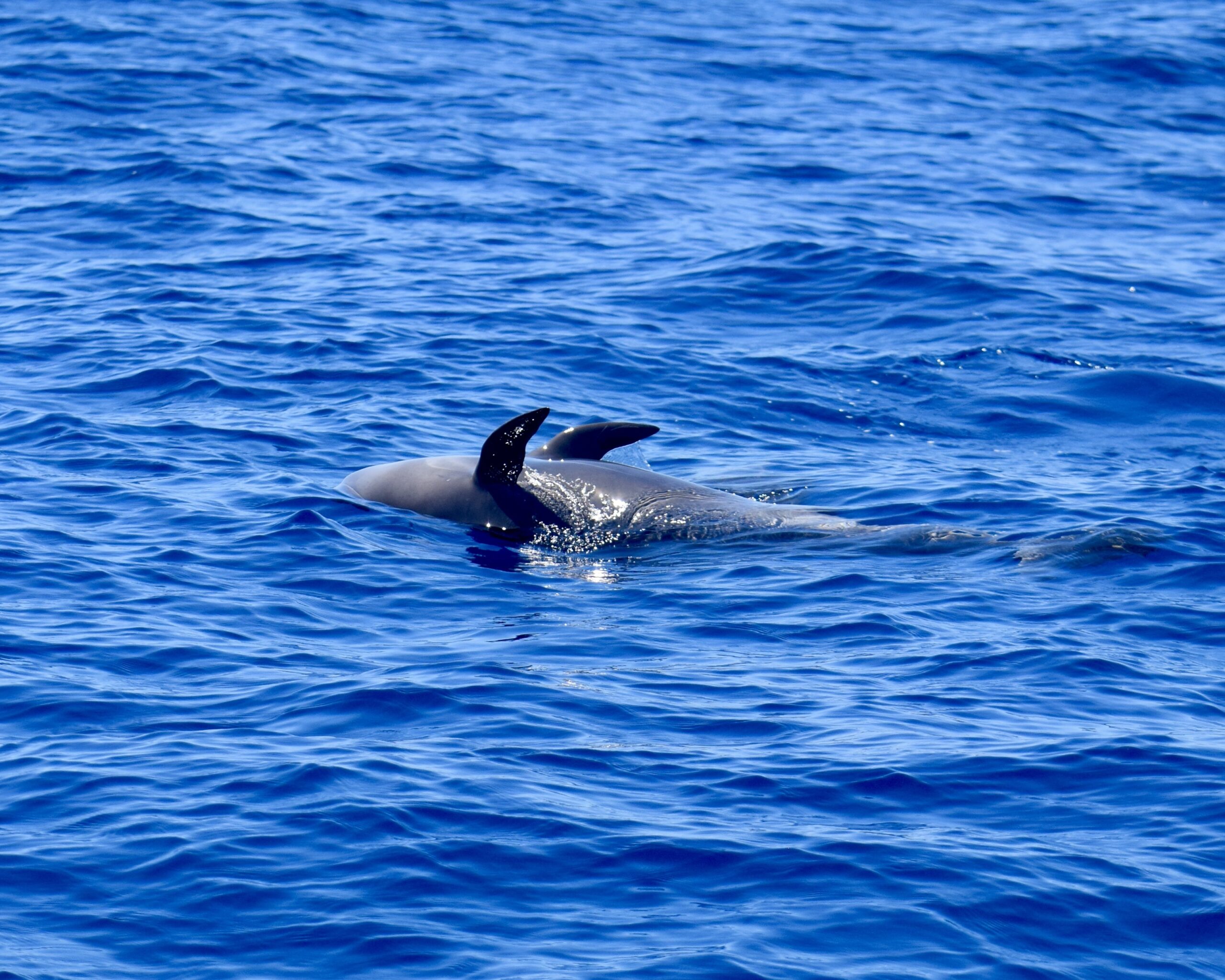
On every excursion, these encounters remind us of something essential: emotions are not just human, they’re part of a universal language we share with many other species on the planet. At Whale Watch Tenerife, we feel incredibly fortunate to witness this every day.
And if you’re looking for an authentic way to connect with nature this year, the ocean is waiting for you.
Book your adventure at whalewatchtenerife.org