Booking

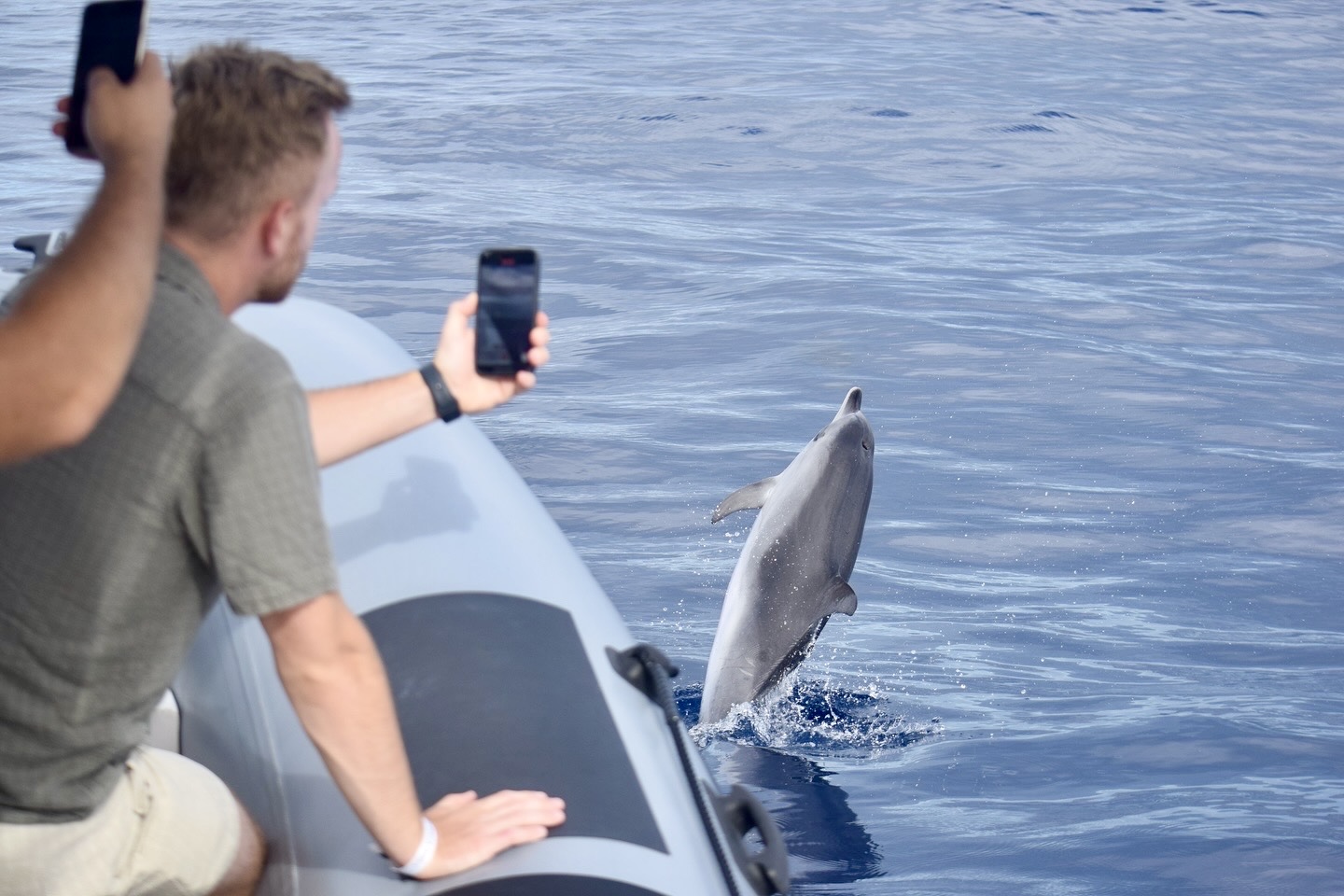
Macaronesia is one of the great natural corridors of the Atlantic, a group of archipelagos that includes the Canary Islands, Madeira, the Azores and Cape Verde. It is much more than a collection of islands in the ocean.
Seen from the sea, it functions as a vast network of marine highways that connect thousands of animals throughout the year.
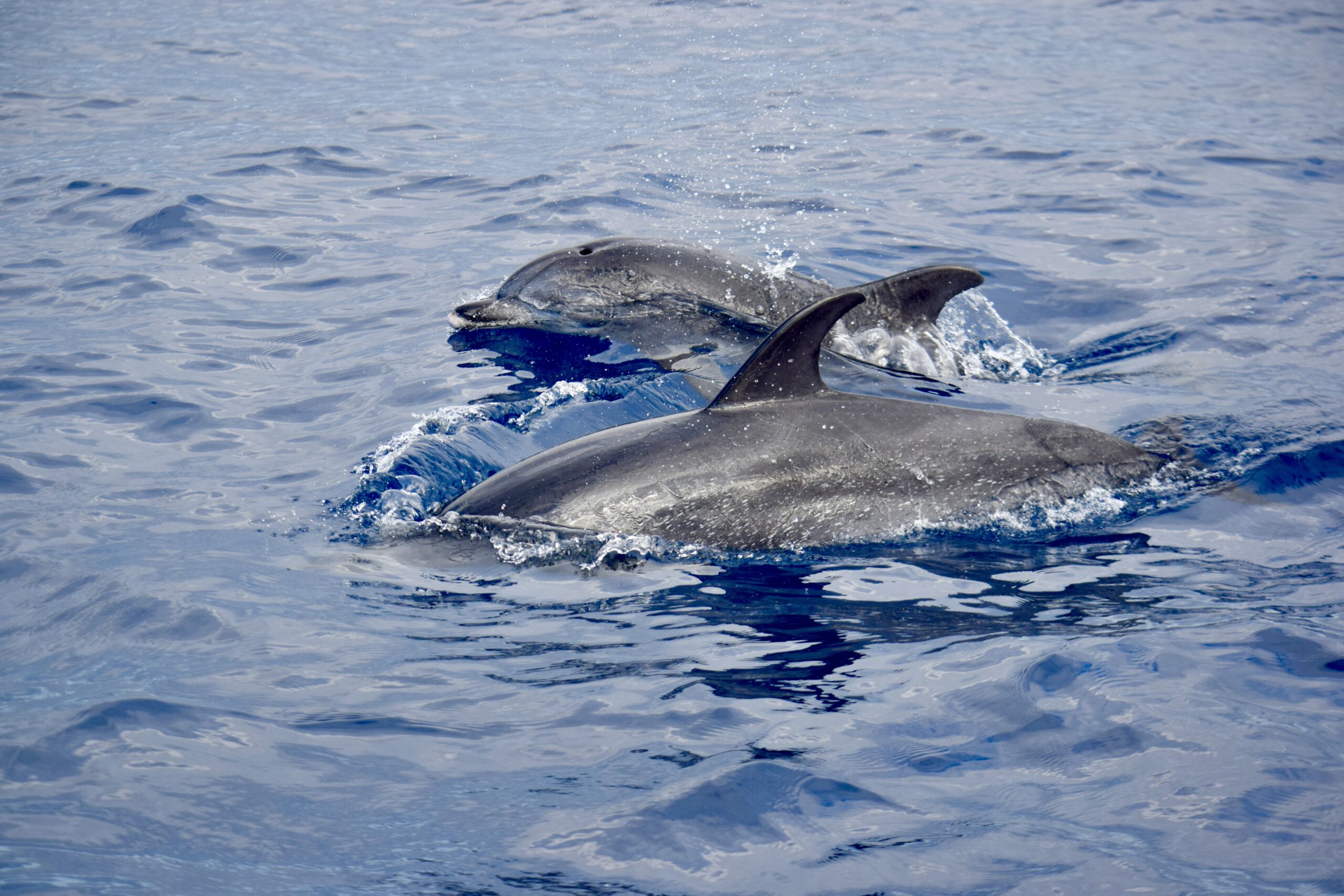
Within these routes, Tenerife holds a strategic position that turns its waters into an exceptional passage point for various cetacean species travelling between the North Atlantic and tropical regions.
Migrations do not happen at random. Cetaceans move following currents, water temperatures, food availability and routes that have been learned and passed down from generation to generation. The Canary Current, flowing southwest, creates a stable ocean corridor that supports the seasonal journeys of many species. Added to this is the consistent water temperature around Tenerife, which rarely drops below 18°C even in winter, offering a milder environment than the open Atlantic.
The chart below shows how these ocean conditions translate into seasonal sightings in 2025.
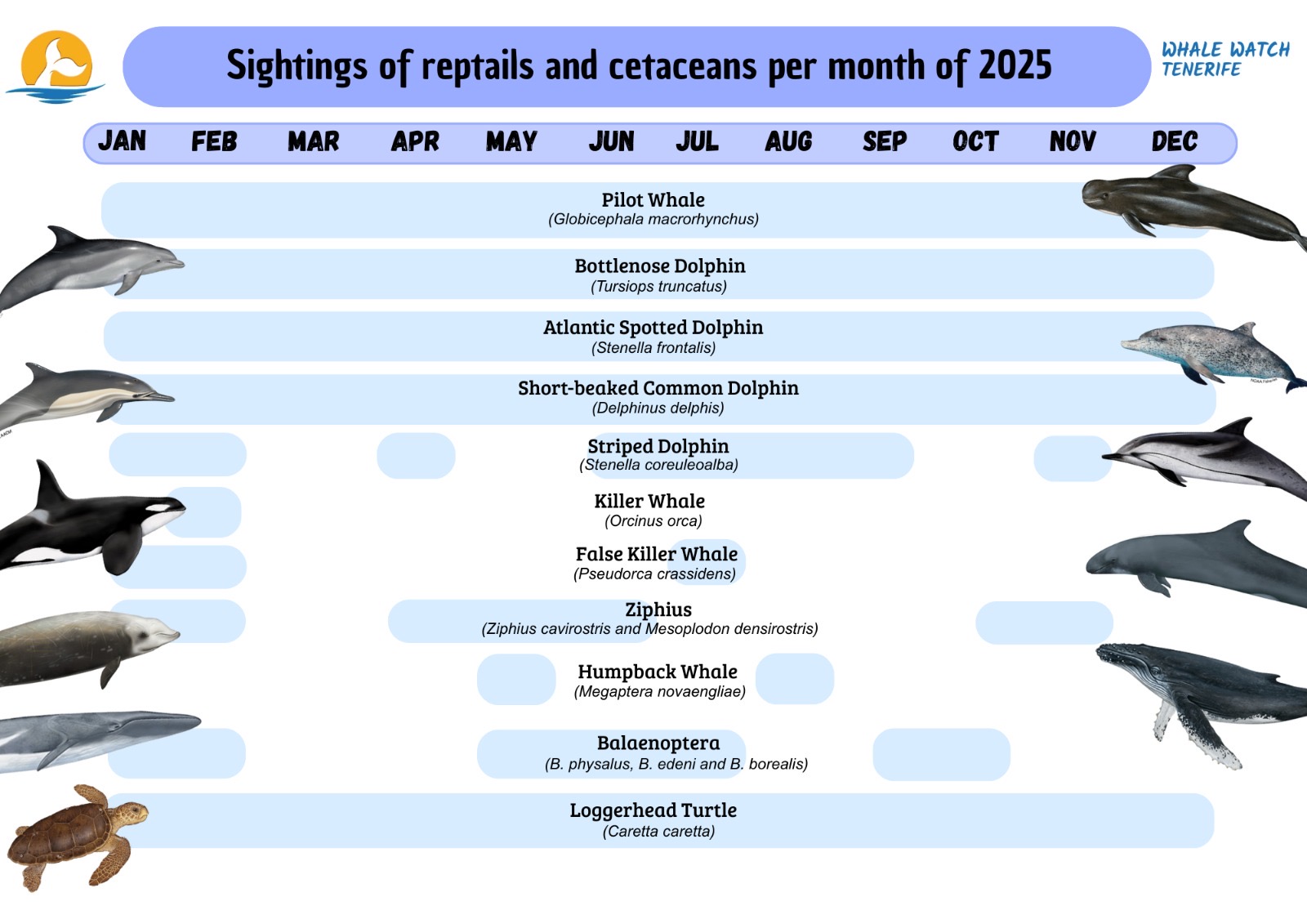
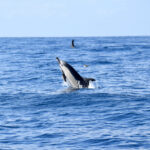
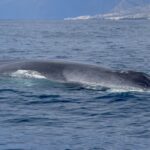
These conditions mean that, beyond the resident population of pilot whales and bottlenose dolphins, Tenerife also receives visiting species on the move. Among them are large whales that may appear during their journeys towards breeding grounds, Atlantic spotted dolphins that are more present at certain times of the year, and even Bryde’s whales travelling between tropical waters.
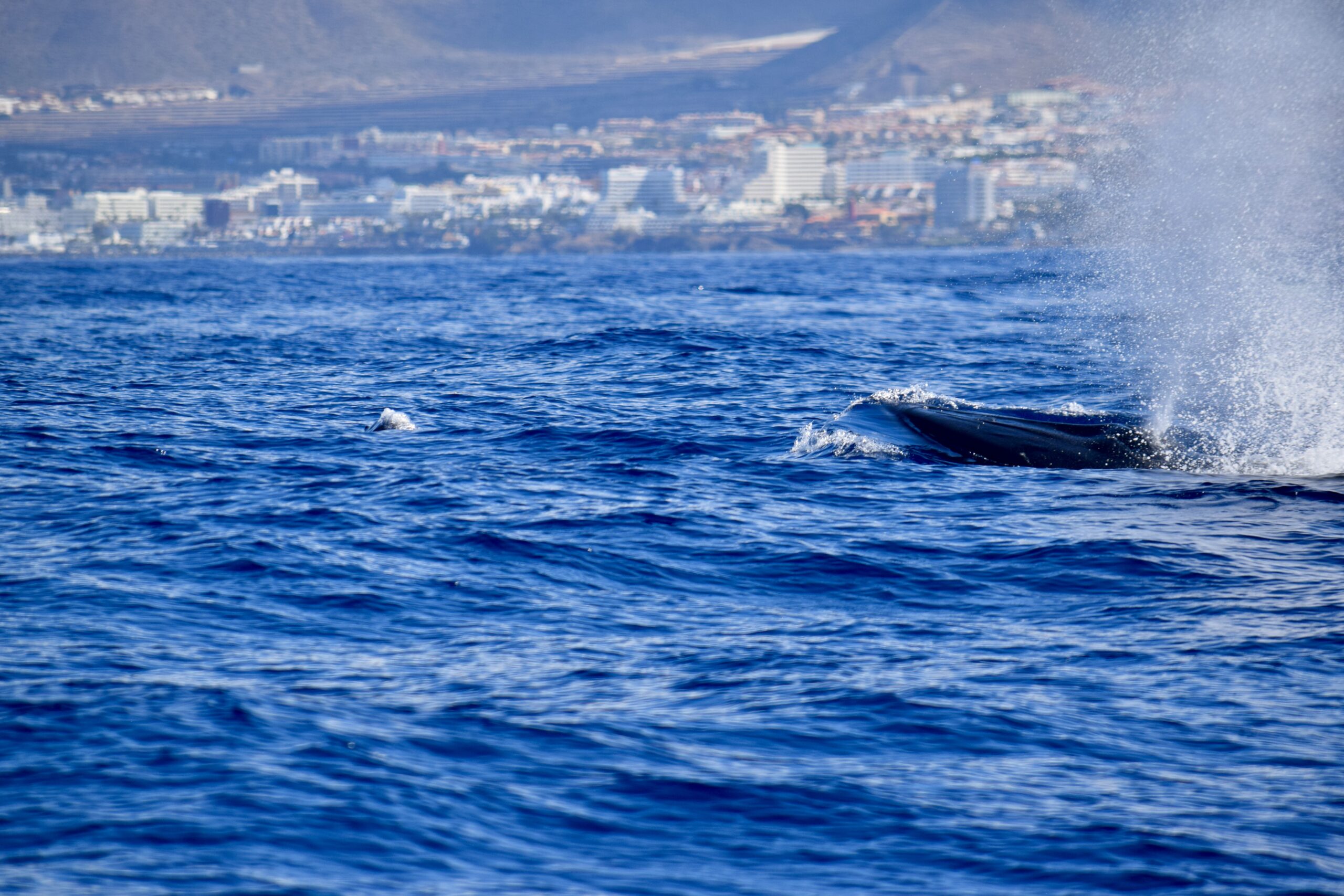
What makes this especially remarkable is that these routes pass very close to the island without requiring the animals to approach the shoreline. The great depths reached just a few kilometres from the coast allow these cetaceans to continue their journey without deviating from their natural path. This explains why Tenerife is one of the few places in the world where migration can be observed so close to land.
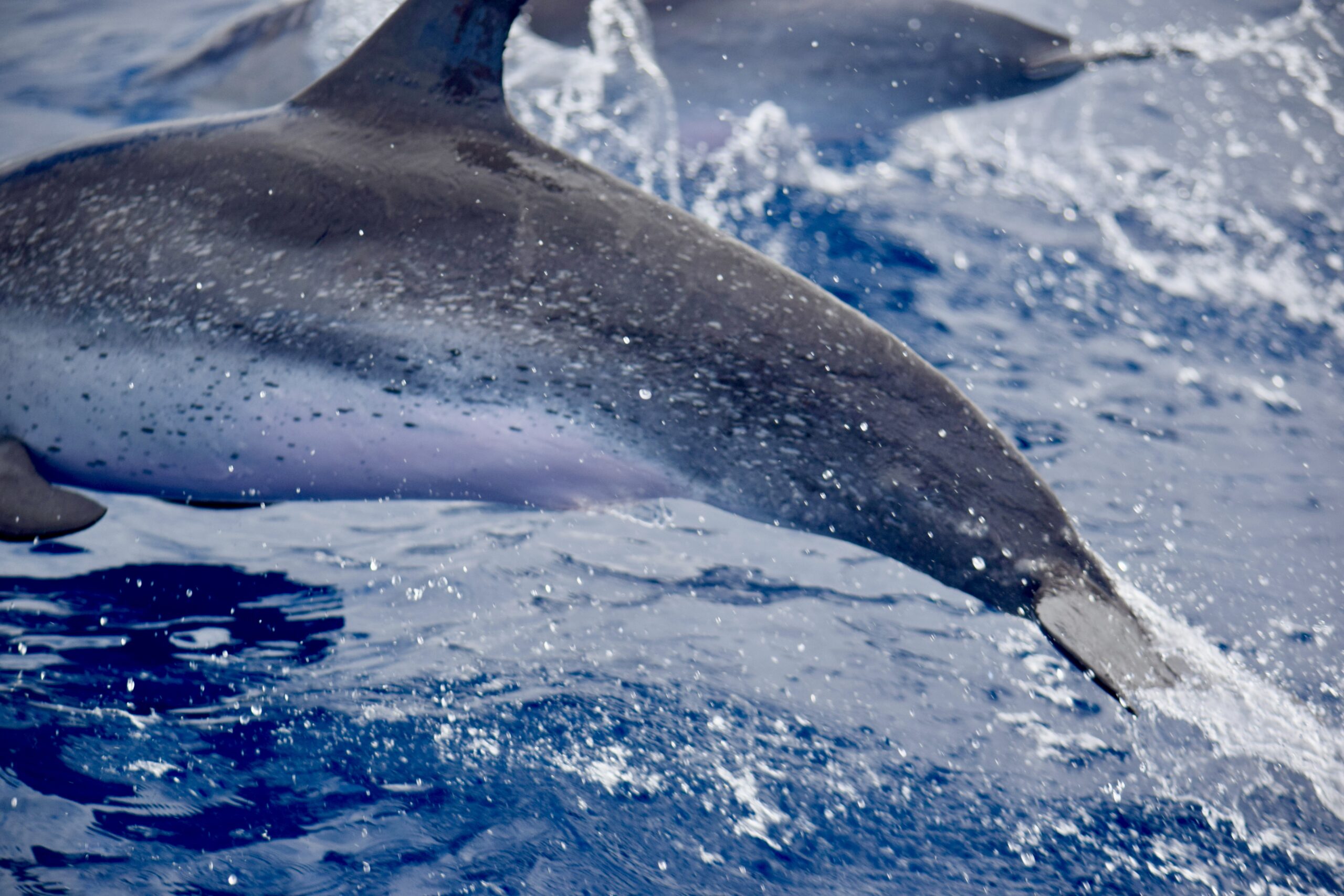
For our team, these migratory sightings are special because they reflect the ocean’s natural movement. They are not part of the daily routine like our resident species, but when they appear, they help us better understand the scale of these journeys.
Each species provides valuable information about the state of the ocean, the routes they maintain, and the changes they may be experiencing due to climate variations or shifts in food availability.
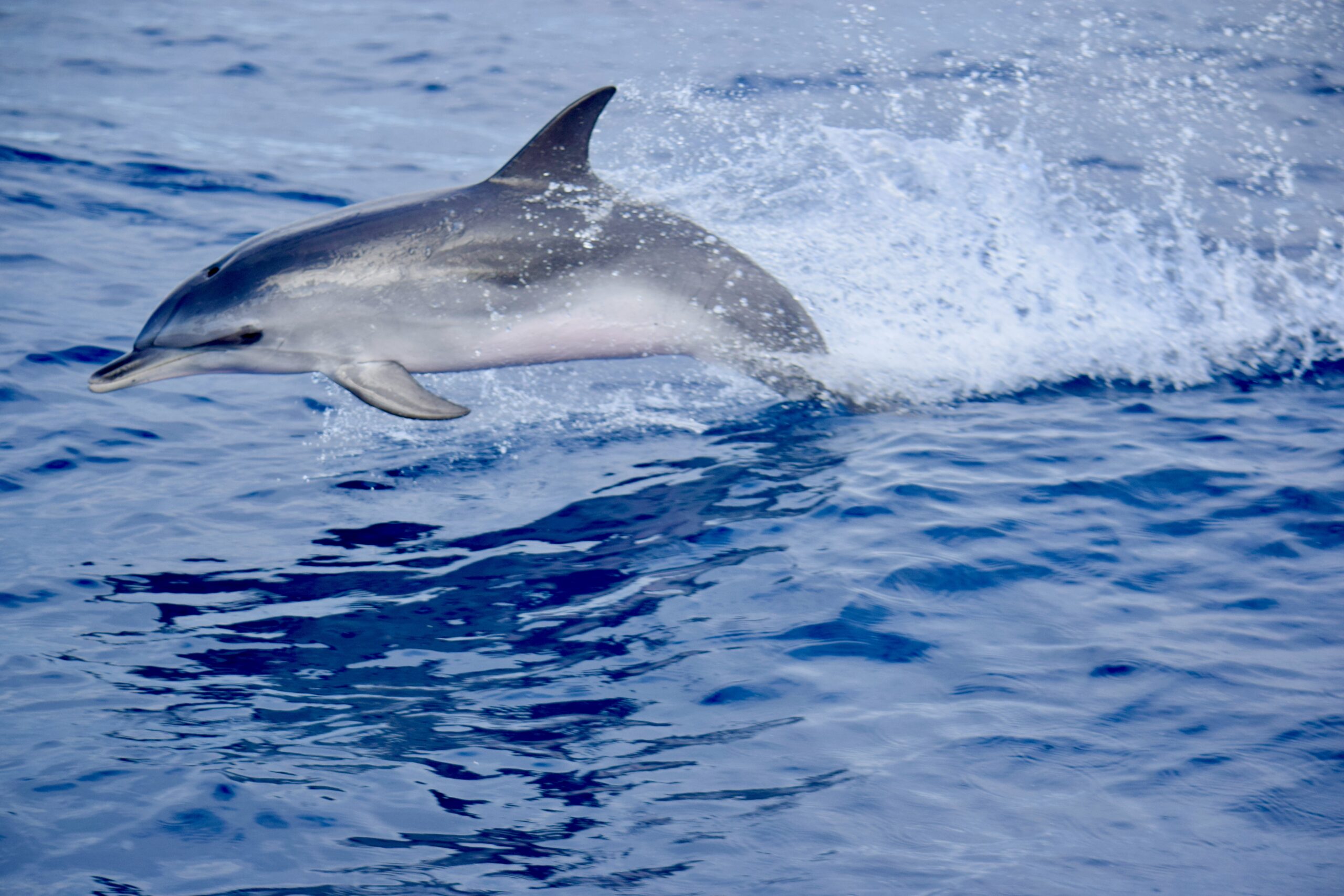
Observing migration from Tenerife is a reminder that the island lies at a key point in the Atlantic. It is a place where routes, generations and destinations intersect. And every encounter at sea is a sign that these invisible highways are still alive, connecting territories and keeping the pulse of the ocean in motion.
Join the adventure by booking your place at whalewatchtenerife.org