Booking

Winter in the Atlantic can be harsh and unpredictable, but something unique happens around the Canary Islands. While many parts of the ocean cool down and become more unstable, the waters surrounding Tenerife maintain remarkably favourable conditions for marine life. For this reason, many cetacean species choose this area each year as a place to live, migrate through or rest. Understanding why they do so helps us better appreciate this ecosystem and observe whales and dolphins around the island with a more conscious perspective.
One of the key factors is the stable water temperature. The Canary Islands’ subtropical climate keeps the sea between 18 and 24 degrees Celsius even in winter, creating a natural refuge for species seeking to avoid the cold waters of the North Atlantic. For many migratory species, this thermal stability reduces energy expenditure and provides an ideal environment for feeding, socialising and raising their young.
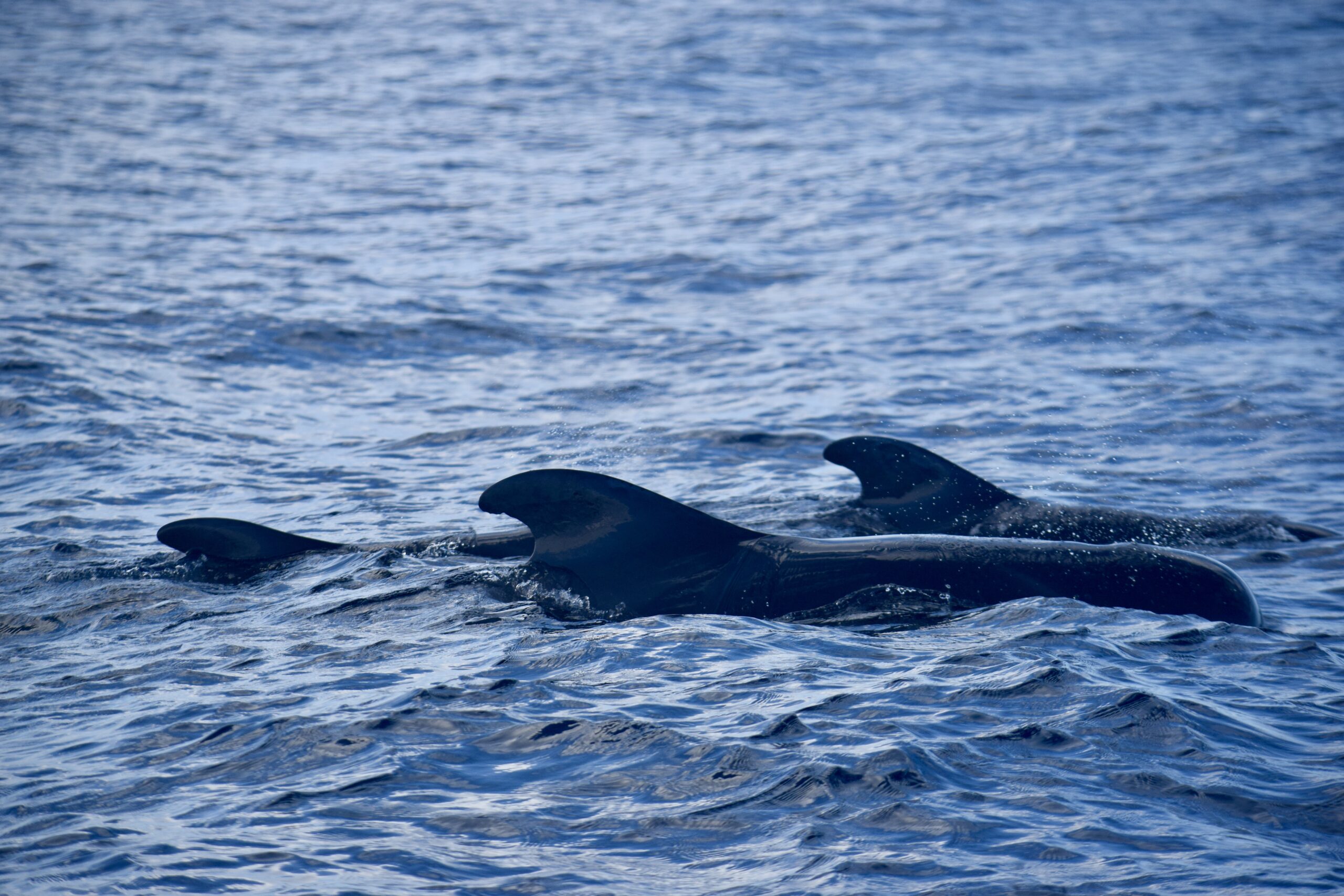
Another fundamental reason is the richness of the seabed. Off the southwest coast of Tenerife, especially between Los Cristianos, Costa Adeje and Los Gigantes, the underwater landscape features deep canyons, shelves and steep drop-offs very close to shore. These formations concentrate nutrients, fish and giant squid, attracting top predators such as short-finned pilot whales and bottlenose dolphins. Tenerife is, in fact, home to one of the few resident populations of short-finned pilot whales in the world, present year-round largely thanks to this reliable food source.
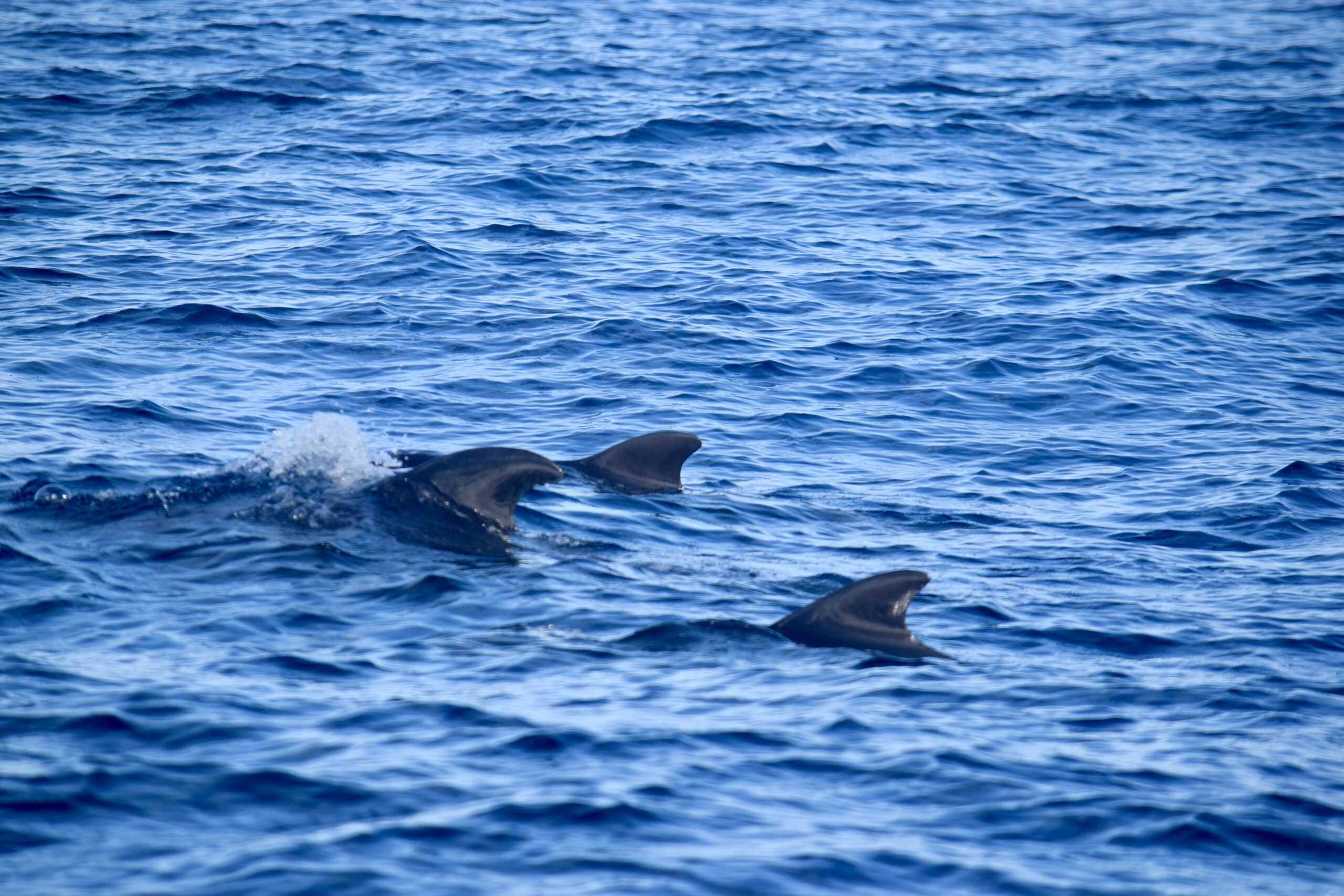
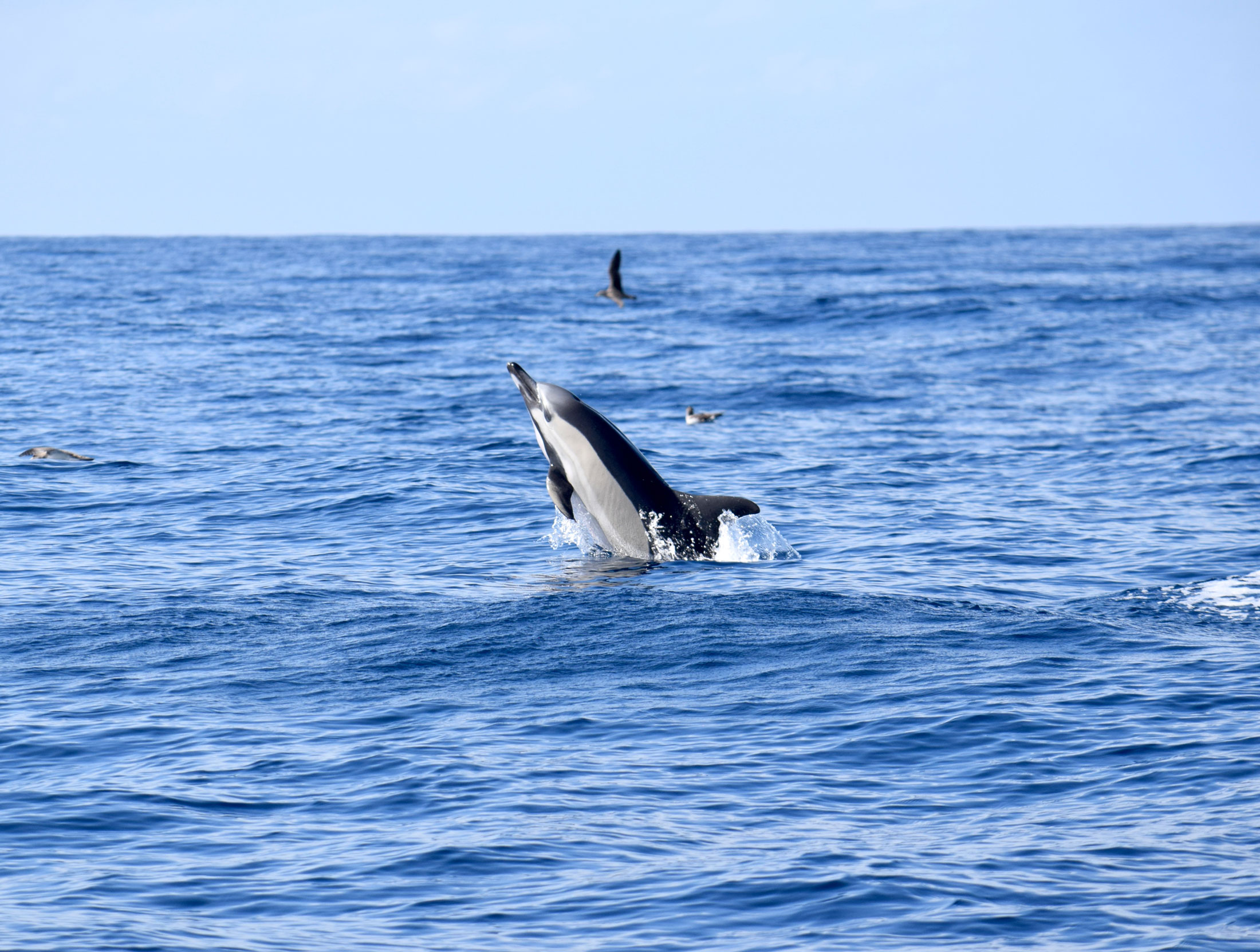
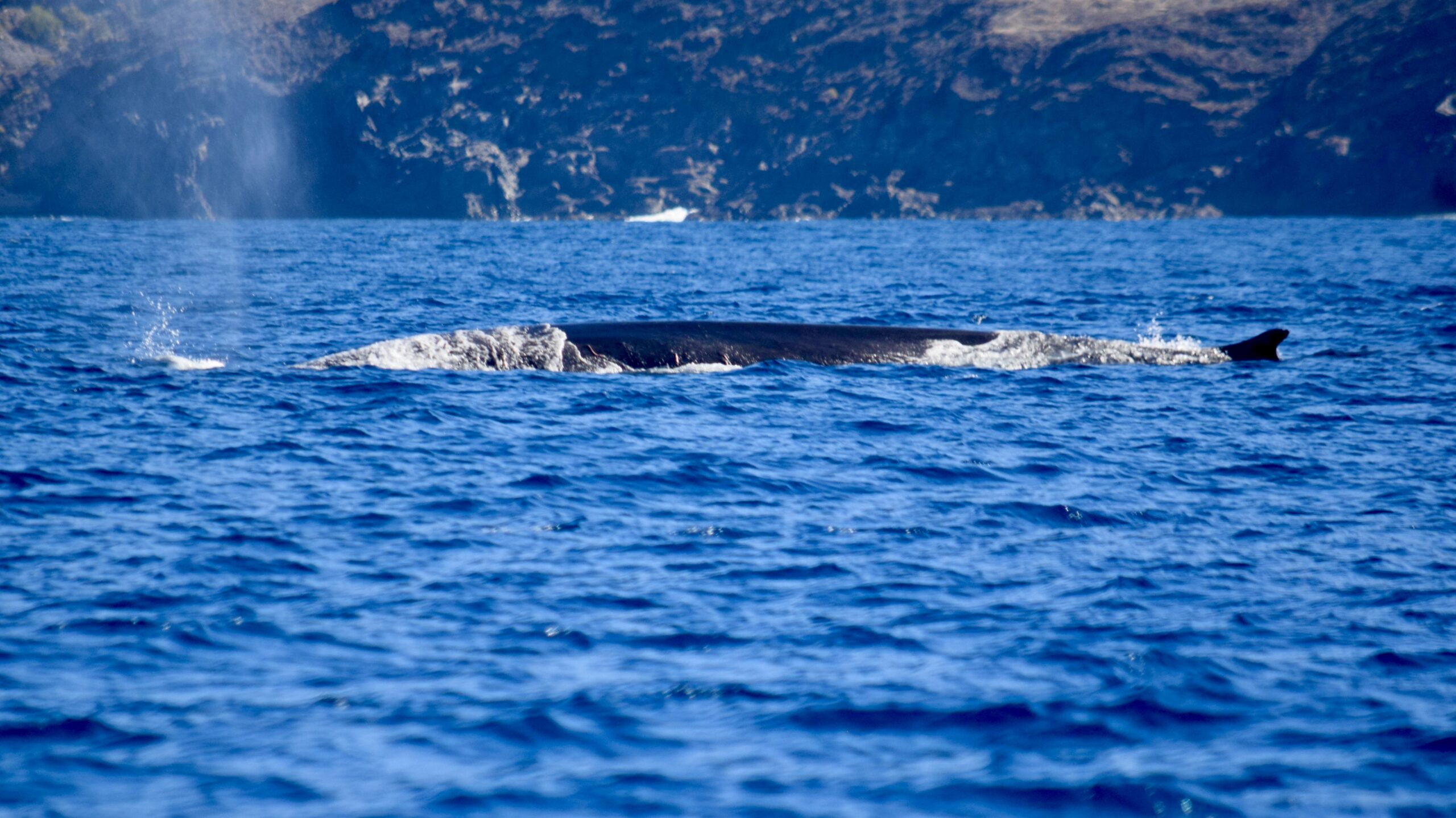
Seasonal migration routes also make the Canary Islands a key location during winter. At this time of year, species such as Bryde’s whales and common dolphins travel through these waters, taking advantage of the abundant prey and relatively calm conditions. This is why winter is one of the best times to see a greater diversity of cetaceans in motion.
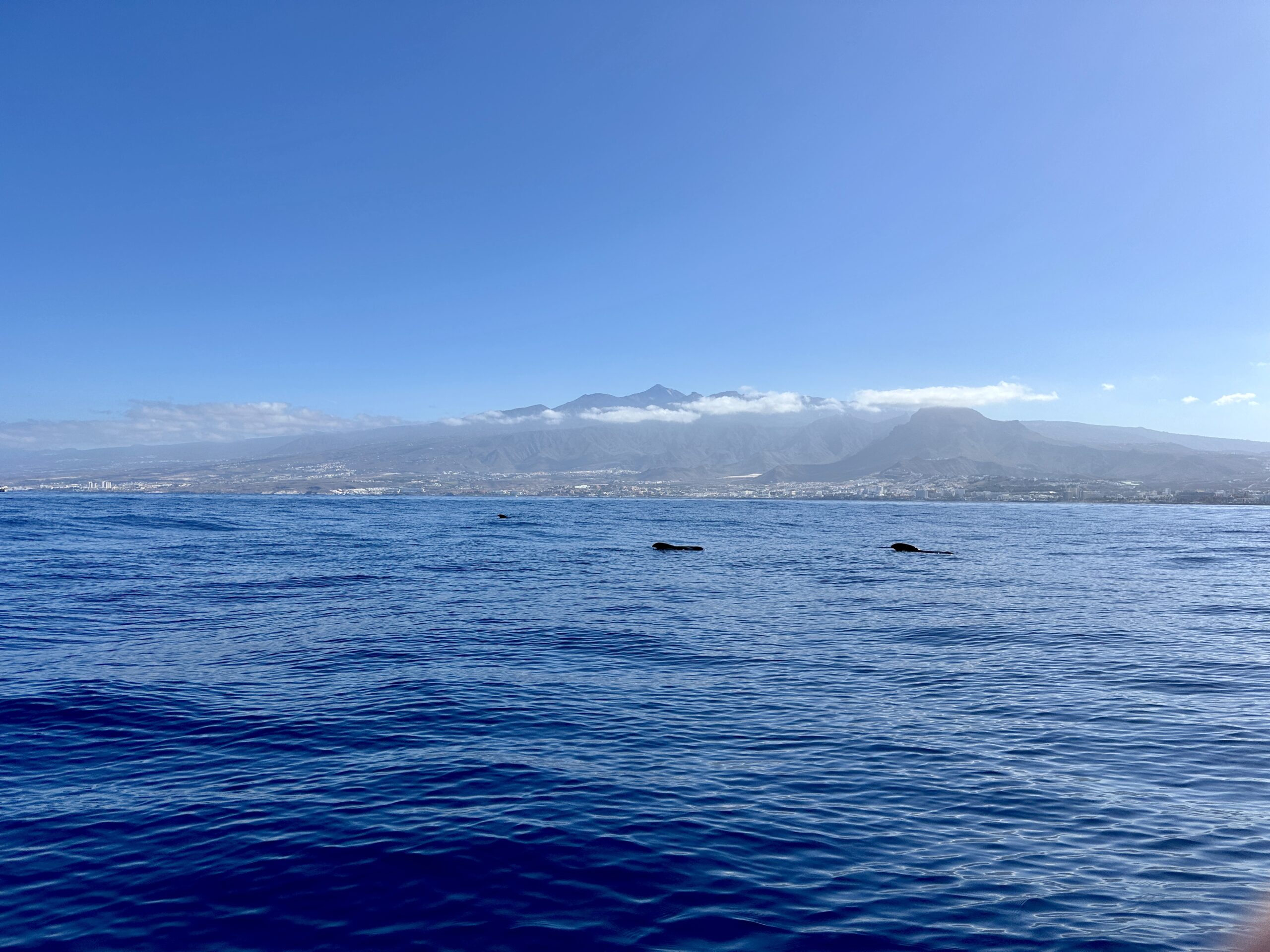
Canarian waters provide an ideal environment for whales and dolphins to rest, feed and care for their calves. One of Europe’s most advanced whale-watching regulations also plays an important role, allowing these animals to maintain their natural behaviours without disturbance.
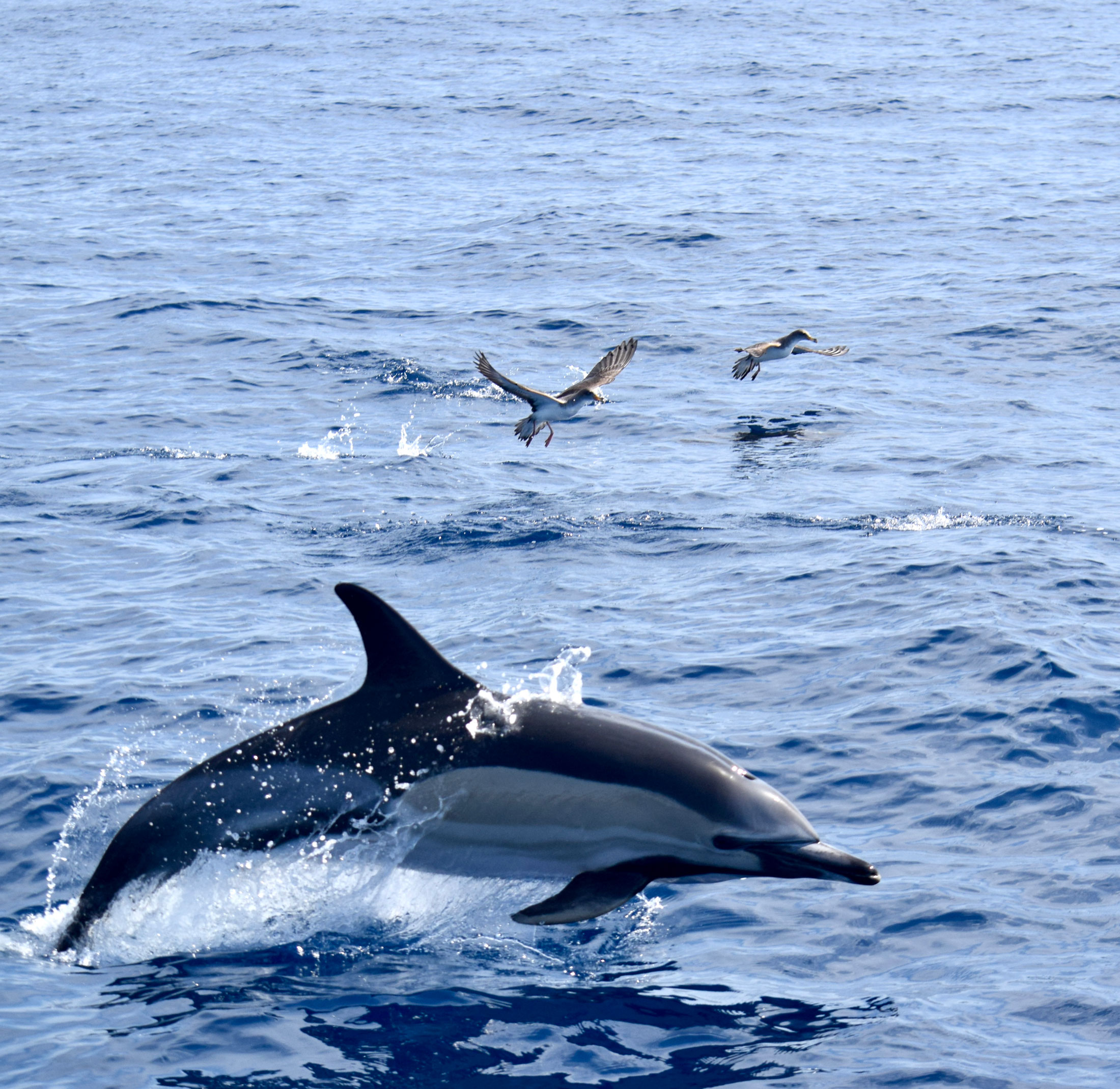
For all these reasons, winter in Tenerife is not only an excellent time for whale watching, but also a chance to understand why these waters have become a true natural refuge for so many species. That is why every excursion with our team offers the opportunity to discover a living, diverse and fascinating ocean.
Book your place directly on our website at whalewatchtenerife.org